Antagonistic pleiotropy revisited – for the last time

Most times when I meet old friends who I have not seen for a long time, the old magic comes back.  There is new vitality in our new context of relationship.  With certain other people met again after many years, memory of the original relationship sees to be the only thing we still have in common.  That person usually seems to me to have gone nowhere with his or her life and is not visibly going anywhere now.  He or she comes across to me now as having lost all vitality, and now we seem to have little in common except stale memories.  Our interaction is flat and listless and I usually don’t want to see that person again. 

 My relationship with the antagonistic pleiotropy theory of the cause of aging falls in the second category.  The theory has an impressive name to throw around in publications and cocktail parties, but that seems to be the main thing going for it.  I see it as a fuzzy obsolete theory of the impact of evolution on aging that is no longer particularly informative.  I expand on this theme in this blog entry and describe what I see to be the actual impact of evolution – genetic, epigenetic and social – on longevity.

What is antagonistic pleiotropy, anyway?

“The antagonistic pleiotropy hypothesis was first proposed by George C. Williams in 1957 as an explanation for senescence.[1] Pleiotropy is the phenomenon where one gene controls for more than one phenotypic trait in an organism.[2] Antagonistic Pleiotropy is when one gene controls for more than one trait where at least one of these traits is beneficial to the organism’s fitness and at least one is detrimental to the organism’s fitness.[3] The theme of G.C. William’s idea about antagonistic pleiotropy was that if a gene caused both increased reproduction in early life and aging in later life, then senescence would be adaptive in evolution(ref).”

Here are some of the problems I have with Antagonistic Pleiotropy as it was formulated by Williams in ‘57

:a.      There are few if any genes that cause both increased reproduction in early life and aging in later life.  Multiple papers have been written on genes purported to exhibit Antagonistic Pleiotropy, P53 being among the favorites(ref)(ref).  The arguments in those papers tend to befuddle me.  Actually the FRAP1 gene involved in activation of the mTOR pathway is probably a better example(ref)(ref).  According to the 2010 paper Revisiting the antagonistic pleiotropy theory of aging: TOR-driven program and quasi-program: “A half century ago, the antagonistic pleiotropy (AP) theory had solved a mystery of aging, by postulating genes beneficial early in life at the cost of aging. Recently it was argued however that there are very few clear-cut examples of antagonistically pleiotropic (AP) genes other than p53. In contrast, here I discuss that p53 is not a clear-cut example of AP genes but is rather an aging-suppressor (gerosuppressor). In contrast, clear-cut examples of AP genes are genes that encode the TOR (target of rapamycin) pathway. TOR itself is the ultimate example of AP gene because its deletion is lethal in embryogenesis. Early in life the TOR pathway drives developmental program, which persists later in life as an aimless quasi-program of aging and age-related diseases.”

 b.     But how TOR operates later in life is highly variable involving many genes and a pathway that is still not fully understood.  The idea that any one gene “controls”an important aspect of normal aging is unsubstantiated although we know that mutations in certain genes like WRN can generate abnormal aging phenotypes(ref).  Single genes often influence multiple phenotypic traits of an organism, and most-commonly such traits are influenced by multiple genes.  One-to-one relationships between genes and complex traits such as are involved in normal aging are rare to nonexistent. 

 c.      The phenotypic traits resulting in part from the activation of any gene is strongly influenced by the state of the pathway the gene is in, and the degree of activation of other genes in that and other pathways having to do with the traits.  Whether activation occurs is affected by the epigenetic state of the cell concerned. Age of the organism is only one of multiple factors that determines whether gene activation occurs or its consequences.  

So, it makes no sense to hang “causation” of increased reproduction in early life or aging in later life on individual genes.  

Antagonistic Pleiotropy as formulated by Williams is too blunt and obsolete a way of looking at aging to be useful. I agree with the author of the 2004 paper Reflections on an unsolved problem of biology: the evolution of senescence and death who wrote  “It is suggested that the evolutionary theory of senescence should be focused on those evolutionary principles that have been validated experimentally, and that the notion of antagonistic pleiotropy–which cannot be experimentally validated–be dropped from our thinking about the evolution of senescence.”

A new look at what Antagonistic Pleiotropy was tryng to get at

The above having been said, I do think that something like a reformulation of the Antagonistic Pleiotropy hypothesis could be useful.  Here is how it would go:

1.     Genetic evolution, has operated in most species so as to such as to favor health of the young (animals who bear or still care for offsprings) over health of animals beyond the age where they care for their young.  (This says little more than that evolution favors the young over the aged, something we already know). 

2.     In humans at least, evolution viewed more broadly (genetic, social and epigenomic evolution) is changing the balance between health ­for-young vs health-for-old, maintaining health of humans in advanced societies for more years and leading to ever-longer life spans.

I articulated this theme in earlier blog posts, particularly in Social ethics of longevity and in Ever-increasing longevity– is epigenomics involved?   I repeat a few key passages from those blog entries regarding social evolution and epigenomic evolution.  And I show how this reformulation leads to very different conclusions than did the original theory.

Social evolution impacting longevity

‘The argument from evolution — goes like this:  Each species, humans included, has evolved characteristic life-spans designed to optimize the survival of that species taking into account resource limitations, a need for protection against predators and diseases, and environmental conditions.  Scarce resources need to be devoted to providing for the young and raising new generations and fighting off predators and diseases during the years of rearing the young.  According to this argument, need for individual survival diminishes after child-rearing years.  Younger animals are stronger and can better fight off predators and diseases than older ones. From the viewpoint of the human species, then, resources are better devoted to raising and protecting children than to keeping old people around, people who are no longer part of the reproductive-child-rearing cycle.  According to this argument, extending the lives of old people leads to a misallocation of resources that is counter to survival of the species.” 

“The problem with this argument is that it takes biological evolution into account but not social evolution.  The argument  does not take into account the ever-increasing complexity of our society, the ever-increasing requirement for education that is necessary to function well in society, the ever-increasing cost of rearing young including education, the increase in the time required for young people to become fully functional in society, and the need for people to spend more years working to cover the ever-growing costs for educating their young.  As social evolution advances at an exponentially increasing rate and society continues to become more complex, there is an ever-increasing need for people to draw on vast resources of information, deep knowledge and wisdom to survive and advance the society.  The time required for basic education continues to grow and continuing education becomes a lifelong necessity.   Longer life spans therefore serve the need of social evolution by increasing mobilization of knowledge and wisdom. 

In fact, social evolution has been working hard to extend our longevity in recent times.  A few hundred years ago people typically died before 40.  Now, life expectancy has roughly doubled, to about 78 for US males and 80 for females.  All the other typical age-marking numbers have also roughly doubled.  Once young males could join their fathers as hunters or warriors or farmers or artisans at the age of 15 and start fully contributing to society shortly thereafter.  About twice as much time (30 years) is now required in an advanced society for a male to become a doctor or lawyer or physicist, to become fully engaged in his profession, to get married and have children.  Females used to start having babies when they were biologically capable, around 15.  Now for educated Western women, the age is roughly 30.  The investment required for rearing a child has become enormous - $300,000 - $500,000 or more for a thirty year period when including the cost of preparatory education.  All this change has happened in less than 400 years.  The key thing to focus on is that the number of productive years – the years between completion of education and retirement – has doubled too. Instead of 20 good working years now the average is more like 40. 

So, social evolution requires longer life spans because people have to become ever more sophisticated to accommodate to ever more-complex social conditions.  Now as social evolution continues to accelerate at an exponential pace, it is appropriate that life spans also become extended at an accelerating rate.  That is what my work is about.

My main point is this:  as society becomes exponentially more complex, so a need arises for exponential growth in life expectancy.  Life extension is not about older people surviving unproductively longer in retirement communities in Florida or nursing homes.  It is about keeping an increasingly complex society workable.”

So, how does social evolution work to increase longevity? The answer is easier than it might seem.  All the things we do to increase health and longevity are part of our social evolution.  It is useful to recall that in 1850 the streets of London were ladened with fecal matter from horses and dogs and had open ditches running with human sewage.  Sanitation as we know it was nonexistent.  Wood fires in hundreds of thousands of fireplaces contributed mightily to air pollution. Syphylis was common as Victorian morals led to widespread prostitution. No wonder people died young!  All that is behind us now.  The second half of the 19th century saw the recognition of the germ theory of disease and the building of the first sewage systems and water treatment plans.  The last 40 years saw a turning against cigarette smoking in advanced countries and thrusts for world-wide vaccinations against multiple killer diseases.  These and countless other developments contributed significantly to overall longevity.  Also contributing are improved diets, food safety laws, cleaning up remaining air pollution, seat belt laws, safer cars, elimination of lead paint, modern medicine and antibiotics.  And, in its own small way, this blog contributes to the distribution of knowledge making for greater health and longevity.  My writing and your reading and comments are part of that social evolution.

Epigenomic evolution affecting longevity

The entire field of gene regulation is new and existed in only very crude form when Williams formulated the original Antagonistic Pleiotropy theory.  But, gene regulation is all-important.  The same genes exist in your brain neuron cells, your red and white blood cells, in your heart, and in your toe muscle cells.  The difference between these cells are due to regulation of gene expression, not due to the genes themselves.  The same genes exist in the cells of an ambryo, the resultant child at the age of 2, the young adult of 22 and the same person at an old an of 90.  The resulting age phenotypes have also to do with gene regulation.  And an important determinant of gene regulation is the epigenetic/epigenomic state of the cell, including histone acetylation and DNA methylation patterns and other chromatin modifications.  These changes are present in our DNA but not in the genes themselves, result from the experience of the cell, typically vary with age, and are to some extent heritable.  For background, see the blog post Epigenetics, Epigenomics and Aging, and Histone acetylase and deacetylase inhibitors.   Clearly, epigenetic states have a great deal to do with disease suscptibility and aging.  See the blog post Epigenetics, inflammation, cancer, immune system, neurological and cardiovascular disease and aging. Regarding the heritability of epigenetic changes, you can check out the references in this list.

So, my hypothesis is that inheritable epigenomic changes are happening in our DNA that are leading to greater longevity.  I first put this suggestion forward in the blog entry Ever-increasing longevity– is epigenomics involved? which cites astounding increases in longevity throughout the developed world. 

Insofar as epigenomic modifications are heritable, they are subject to evolution just as genomic modifications are.  The important factor to emphasize in this discussion is that epigenomic evolution and social evolution happen on a much shorter time scale than genetic evolution.  Our genome is pretty much the same as it was millions of years ago but our social habits affecting longevity have changed drastically in the last 200 years and are continuing to evolve rapidly.  And epigenomic changes can be inherited from one generation to the next.  Why are kids who grow up in developing countries where there is newfound prosperity 6 inches to a foot taller than their parents?  The answer lies in social and epigenomic evolution.  For fun reading, see also my blog post Longevity Genes and Two Fantasies

Wrapping it up

If you accept the reformulation of Antagonistic Pleiotropy that I suggest above including consideration of social and epigenomic evolution, you come out with quite a different perspective consistent with what we experience:

·      Human physical evolution did not stop 2 million years ago; it appears to be accelerating.

·      Most of the new evolution is results from social evolution and evoution in the epigenome, not in our genes

.·      The evolutionary process has been leading to altered bodytypes and longer lifespans in developed countries.

·      We can affect the evolutionary process individually and collectively through social activism and applying knowledge of health and longevity.

None of these statements are true for the original theory of Antagonistic Pleiotropy.  That is why I say we should stop torturing ourselves about this outdated conjecture and let it rest in its crypt in history where it belongs.

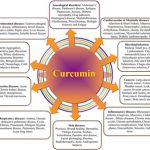
Curcumin, cancer and longevity

This blog entry is a companion and sequel to the previous one Neurogenesis, curcumin and longevity.  I focus here on the extensive research related to the anti-cancer properties of curcumin and go further into an issue raised in the last blog entry: does curcumin inhibit the mTOR pathway in humans and, if so, is curcumin a life extending substance due to mTOR in inhibition?

The research literature on curcumin and cancers

The research literature relating to curcumin and cancer is truly vast.  A search in the National Library of medicine database pubmed.org on the terms curcumin and cancer returns 1311 research abstracts of published literature.  Researchers in the field have little to no doubt as to the probable clinical usefulness of curcumin for preventing and treating cancers.  The new (Aug 19 2010) e-publication Curcumin in Cancer Chemoprevention: Molecular Targets, Pharmacokinetics, Bioavailability, and Clinical Trials makes the case very succinctly: “Curcumin (diferuloylmethane), a derivative of turmeric is one of the most commonly used and highly researched phytochemicals. Abundant sources provide interesting insights into the multiple mechanisms by which curcumin may mediate chemotherapy and chemopreventive effects on cancer. The pleiotropic role of this dietary compound includes the inhibition of several cell signaling pathways at multiple levels, such as transcription factors (NF-kappaB and AP-1), enzymes (COX-2, MMPs), cell cycle arrest (cyclin D1), proliferation (EGFR and Akt), survival pathways (beta-catenin and adhesion molecules), and TNF. Curcumin up-regulates caspase family proteins and down-regulates anti-apoptotic genes (Bcl-2 and Bcl-X(L)). In addition, cDNA microarrays analysis adds a new dimension for molecular responses of cancer cells to curcumin at the genomic level. Although, curcumin’s poor absorption and low systemic bioavailability limits the access of adequate concentrations for pharmacological effects in certain tissues, active levels in the gastrointestinal tract have been found in animal and human pharmacokinetic studies. Currently, sufficient data has been shown to advocate phase II and phase III clinical trials of curcumin for a variety of cancer conditions including multiple myeloma, pancreatic, and colon cancer.”

How much is known about the molecular mechanisms through which curcumin prevents or stops cancers?  The answer is the same as the answer to many questions relating to cancers and other critical diseases:  not enough to provide a complete answer, but actually quite a bit.  An excellent summary of the state of knowledge about a year ago is provided in the September 2009 publication Curcumin and Cancer Cells: How Many Ways Can Curry Kill Tumor Cells Selectively? “Cancer is a hyperproliferative disorder that is usually treated by chemotherapeutic agents that are toxic not only to tumor cells but also to normal cells, so these agents produce major side effects. In addition, these agents are highly expensive and thus not affordable for most. Moreover, such agents cannot be used for cancer prevention. Traditional medicines are generally free of the deleterious side effects and usually inexpensive. Curcumin, a component of turmeric (Curcuma longa), is one such agent that is safe, affordable, and efficacious. How curcumin kills tumor cells is the focus of this review. We show that curcumin modulates growth of tumor cells through regulation of multiple cell signaling pathways including cell proliferation pathway (cyclin D1, c-myc), cell survival pathway (Bcl-2, Bcl-xL, cFLIP, XIAP, c-IAP1), caspase activation pathway (caspase-8, 3, 9), tumor suppressor pathway (p53, p21) death receptor pathway (DR4, DR5), mitochondrial pathways, and protein kinase pathway (JNK, Akt, and AMPK). How curcumin selectively kills tumor cells, and not normal cells, is also described in detail.”

The above-mentioned paper is worth reading in detail for it summarizes a great deal of the knowledge available only piecewise in hundreds of other publications.  I quote further only highly selectively.  Curcumin has a diverse range of molecular targets, supporting the concept that it acts upon numerous biochemical and molecular cascades. Curcumin physically binds to as many as 33 different proteins, including thioredoxin reductase, cyclooxygenase-2, (COX2), protein kinase C, 5-lipoxygenase (5-LOX), and tubulin. Various molecular targets modulated by this agent include transcription factors, growth factors and their receptors, cytokines, enzymes, and genes regulating cell proliferation, and apoptosis (6). Curcumin has been shown to inhibit the proliferation and survival of almost all types of tumor cells. Accumulating evidence suggests that the mode of curcumin-induced cell death is mediated both by the activation of cell death pathways and by the inhibition of growth/proliferation pathways (Table I; Refs. 28173). Many studies indicate the selective role of curcumin towards cancer cells than normal cells (Table II). We could identify more than 40 biomolecules that are involved in cell death induced by curcumin (Fig. 1).  The mechanistic relationship among different signal transduction pathways, whether acting alone or together, leading to apoptosis is described. Because curcumin mediates its effect through multiple cell signaling pathways, the likelihood of developing resistance to it is less.” How these interrelated pathways are activated by curcumin is explained in the publication.

Curcumin and specific cancers

Interestingly, curcumin is active in killing cells of certain deadly cancers for which there are few or no known existing treatments.  One example is glioblastoma.  The August 2010 publication The anti-cancer efficacy of curcumin scrutinized through core signaling pathways in glioblastoma reports “Curcumin exhibits superior cytotoxicity on glioblastoma in a dose- and time-dependent manner in the MTT assay. In the core signaling pathways of glioblastoma, curcumin either significantly influences the p53 pathway by enhancing p53 and p21 and suppressing cdc2 or significantly inhibits the RB pathway by enhancing CDKN2A/p16 and suppressing phosphorylated RB. In the apoptotic pathway, the Bax and caspase 3 are significantly suppressed by curcumin and the Giemsa stain elucidates apoptotic features of DBTRG cells as well. In conclusion, curcumin appears to be an effective anti-glioblastoma drug through inhibition of the two core signaling pathways and promotion of the apoptotic pathway.”  Curcumin apart, there is no known cure for this disease which usually kills humans in less than a year after diagnosis.

Another cancer having cells that are killed by curcumin is Acute lymphoblastic leukemia (ALL), a disease that affects children as well as adults and is sure to be deadly unless treated with a complex and toxic chemotherapy regimen.  The 2008 publication Curcumin inhibits proliferation and induces apoptosis of leukemic cells expressing wild-type or T315I-BCR-ABL and prolongs survival of mice with acute lymphoblastic leukemia reports “Curcumin decreased c-Abl levels in cells expressing the wild, but not the mutant, BCR-ABL oncogene. Curcumin treatment resulted in a statistically significant improved survival in diseased mice along with decreasing white blood and GFP cell counts. — CONCLUSIONS: Curcumin is effective against leukemic cells expressing p210 BCR-ABL and T315I BCR-ABL and holds promise in treating BCR-ABL-induced B-ALL.”

Other publications relating curcumin to leukemias include:

-         (2006) Inhibitory effect of curcumin on MDR1 gene expression in patient leukemic cells. “In summary, curcumin decreased MDR1 mRNA level in patient leukemic cells, especially in high level of MDR1 gene groups. Thus, curcumin treatment may provide a lead for clinical treatment of leukemia patients in the future.”

-         (2006) Curcumin induces apoptosis via inhibition of PI3′-kinase/AKT pathway in acute T cell leukemias. “Taken together, our finding suggest that curcumin suppresses constitutively activated targets of PI3′-kinase (AKT, FOXO and GSK3) in T cells leading to the inhibition of proliferation and induction of caspase-dependent apoptosis.”

-         (2006) Inhibitory effect of curcumin on WT1 gene expression in patient leukemic cells. “In summary, curcumin decreased WT1 mRNA in patient leukemic cells. Thus, curcumin treatment may provide a lead for clinical treatment in leukemic patients in the future.”

-         (2004) Nitric oxide is synthesized in acute leukemia cells after exposure to phenolic antioxidants and initially protects against mitochondrial membrane depolarization.

Curcumin has been tested against a large number of cancer types.  For example, curcumin offers promise for preventing prostate cancer.  The 2010 publication Chemopreventive potential of curcumin in prostate cancer reports “The long latency and high incidence of prostate carcinogenesis provides the opportunity to intervene with chemoprevention in order to prevent or eradicate prostate malignancies. We present here an overview of the chemopreventive potential of curcumin (diferuloylmethane), a well-known natural compound that exhibits therapeutic promise for prostate cancer. In fact, it interferes with prostate cancer proliferation and metastasis development through the down-regulation of androgen receptor and epidermal growth factor receptor, but also through the induction of cell cycle arrest. It regulates the inflammatory response through the inhibition of pro-inflammatory mediators and the NF-kappaB signaling pathway. These results are consistent with this compound’s ability to up-induce pro-apoptotic proteins and to down-regulate the anti-apoptotic counterparts. Alone or in combination with TRAIL-mediated immunotherapy or radiotherapy, curcumin is also reported to be a good inducer of prostate cancer cell death by apoptosis. Curcumin appears thus as a non-toxic alternative for prostate cancer prevention, treatment or co-treatment.”

A search in pubmed.org using the terms “curcumin” and “breast cancer” surfaces 144 research citations.  The blog posts On Cancer stem cells and Update on cancer stem cells suggests the importance of cancer stem cells and the need to target such cells if a cancer therapy is to be effective.  The August 2010 publication Targeting breast stem cells with the cancer preventive compounds curcumin and piperine reports “The cancer stem cell hypothesis asserts that malignancies arise in tissue stem and/or progenitor cells through the dysregulation or acquisition of self-renewal. In order to determine whether the dietary polyphenols, curcumin, and piperine are able to modulate the self-renewal of normal and malignant breast stem cells, we examined the effects of these compounds on mammosphere formation, expression of the breast stem cell marker aldehyde dehydrogenase (ALDH), and Wnt signaling. Mammosphere formation assays were performed after curcumin, piperine, and control treatment in unsorted normal breast epithelial cells and normal stem and early progenitor cells, selected by ALDH positivity. Wnt signaling was examined using a Topflash assay. Both curcumin and piperine inhibited mammosphere formation, serial passaging, and percent of ALDH+ cells by 50% at 5 microM and completely at 10 microM concentration in normal and malignant breast cells. There was no effect on cellular differentiation. Wnt signaling was inhibited by both curcumin and piperine by 50% at 5 microM and completely at 10 microM. Curcumin and piperine separately, and in combination, inhibit breast stem cell self-renewal but do not cause toxicity to differentiated cells. These compounds could be potential cancer preventive agents.”  Piperine is a compound derived from black pepper commonly added to commercial curcumin supplements to enhance their bioavailability. It is what gives black pepper its zing.

Curcumin analogs and curcumin nanoparticles

Pharmaceutical companies have been investigating the therapeutic values of curcumin analogs as cancer treatments.  Viewed positively, such analogs might be engineered to be more powerful and bioavailable than curcumin itself.  Viewed cynically, drug companies are interested in analogs because there is no money for them to be made from curcumin itself because it is so commonly available, cheap, and not patentable.  One such analog molecule is the subject of the 2010 research report The small molecule curcumin analog FLLL32 induces apoptosis in melanoma cells via STAT3 inhibition and retains the cellular response to cytokines with anti-tumor activity.  CONCLUSIONS: These data suggest that FLLL32 represents a lead compound that could serve as a platform for further optimization to develop improved STAT3 specific inhibitors for melanoma therapy.”  Other curcumin analogs being explored are PAC and a number of heterocyclic cyclohexanone analogues.   Other approaches drug companies are exploring to add-value to curcumin for treating cancers includes use of curcumin-containing nanoparticles and microparticles(ref)(ref)(ref).  I am not clear how much additional value for patients or ordinary people the analogs or nanoparticle formulations provide beyond that in plain curcumin, if any.  Obviously, since the analogs and nanoparticle formulations are proprietary, they could be very valuable to the pharmaceutical companies that own them if they could be made popular in the medical community.

Hundreds of additional current publications can be found relating curcumin to other specific types of cancer.  Titles of some representative 2010 publications include:

-         Nicotine-induced survival signaling in lung cancer cells is dependent on their p53 status while its down-regulation by curcumin is independent.

-         Apoptosis of human lung cancer cells by curcumin mediated through up-regulation of “growth arrest and DNA damage inducible genes 45 and 153″. 

-         [Curcumin promoted the apoptosis of cisplain-resistant human lung carcinoma cells A549/DDP through down-regulating miR-186*]

-         Curcumin induces apoptosis in human non-small cell lung cancer NCI-H460 cells through ER stress and caspase cascade- and mitochondria-dependent pathways. 

-         Curcumin promotes apoptosis in A549/DDP multidrug-resistant human lung adenocarcinoma cells through an miRNA signaling pathway.

-         Curcumin enhances dasatinib-induced inhibition of growth and transformation of colon cancer cells.

-         Epigenetic therapy of lymphoma using histone deacetylase inhibitors.

-         Curcumin selectively induces apoptosis in cutaneous T-cell lymphoma cell lines and patients’ PBMCs: potential role for STAT-3 and NF-kappaB signaling. 

-         Systemic administration of polymeric nanoparticle-encapsulated curcumin (NanoCurc) blocks tumor growth and metastases in preclinical models of pancreatic cancer 

-         Development of curcumin as an epigenetic agent.

-         Inhibition of NFkappaB and pancreatic cancer cell and tumor growth by curcumin is dependent on specificity protein down-regulation. 

-         Chemoprevention strategies for pancreatic cancer.

-         Safety and pharmacokinetics of a solid lipid curcumin particle formulation in osteosarcoma patients and healthy volunteers.

-         Reversal of multidrug resistance by curcumin through FA/BRCA pathway in multiple myeloma cell line MOLP-2/R. 

-         Thioredoxin reductase-1 mediates curcumin-induced radiosensitization of squamous carcinoma cells. 

-         Therapeutic efficacy evaluation of curcumin on human oral squamous cell carcinoma xenograft using multimodalities of molecular imaging

-         Colon targeted curcumin delivery using guar gum 

-         Possible action mechanism for curcumin in pre-cancerous lesions based on serum and salivary markers of oxidative stress.

I could go on and list many more relevant 2010 publications.  The simple point is that there is a great deal of current research relating to curcumin as a preventative of or treatment for cancers and a large accumulated body of research knowledge in these areas. 

Clinical trials of curcumin related to cancers

The government database of clinical trials responded to the query “curcumin cancer” with 25 trials.  The list of trials that was retrieved is here.  Looking over the list, I remark that few of the trials head-on address the effectiveness of the substance against a cancer, like the Trial of Curcumin in Advanced Pancreatic Cancer (in the recruiting phase).  Several of the trials look at the effectiveness of curcumin in combination with other substances or drugs, like the trial Phase III Trial of Gemcitabine, Curcumin and Celebrex in Patients With Metastatic Colon Cancer (not yet recruiting), And most of the completed trials are either initial safety/dosage studies or remain not-yet reported in the literature.

More on curcumin, mTOR and life extension

In the past blog entries Longevity genes, mTOR and lifespan, Viva mTOR! Caveat mTOR! and More mTOR links to aging theories and in my treatise, I described how the mTOR pathways appears to be highly conserved across species and how in primitive species as well as mice, inhibition of mTOR signaling is an effective strategy for extending longevity as well as addressing many disease processes.  In my treatise one of the advanced “candidate” aging theories is Increasing mTOR signaling which happens with aging.

I have discussed mTOR in those documents at some length and have speculated on the question of whether human longevity might be extended by somehow chemically inhibiting the mTOR pathway.  mTOR stands for mammalian target of rapamycin and the drug rapamycin inhibits the pathway and can extend the lives of mice.  Rapamycin has certain toxicities however, making it unsuitable for sustained human consumption.  In the most-recent blog post Neurogenesis, curcumin and longevity I reported on how a key researcher of curcumin’s neurological effects thought that curcumin might inhibit the mTOR pathway and I quoted from a research report that indicates that this is indeed the case.

Additional credence to the concept that curcumin inhibits mTOR signaling can be found in other publications.  I came across a relevant passage in the 2009 publication mentioned above Curcumin and Cancer Cells: How Many Ways Can Curry Kill Tumor Cells Selectively? “mTOR regulates Akt activity, a crucial downstream effector in the PI-3K–PTEN pathway, which controls cell proliferation and survival. Targeting this function of mTOR may also have therapeutic potential. For example, curcumin was shown to inhibit the Akt/mammalian target of rapamycin/p70 ribosomal protein S6 kinase pathway and activate the extracellular-signal-regulated kinases (ERK) 1/2, thereby inducing autophagy (118).”  The reference is to the 2007 publication Roles of the Akt/mTOR/p70S6K and ERK1/2 signaling pathways in curcumin-induced autophagy.  “We previously demonstrated that curcumin induced non-apoptotic autophagic cell death in malignant glioma cells in vitro and in vivo. This compound inhibited the Akt/mammalian target of rapamycin/p70 ribosomal protein S6 kinase pathway and activated the extracellular signal-regulated kinases 1/2 thereby inducing autophagy.”

A relevant July 2010 publication is Curcumin Extends Life Span, Improves Health Span, and Modulates the Expression of Age-Associated Aging Genes in Drosophila melanogaster.  Results: We report that curcumin extended the life span of two different strains of D. melanogaster (fruit flies), an effect that was accompanied by protection against oxidative stress, improvement in locomotion, and chemopreventive effects. Life span extension was gender and genotype specific. Curcumin also modulated the expression of several aging-related genes, including mth, thor, InR, and JNK. — Conclusions: The observed positive effects of curcumin on life span and health span in two different D. melanogaster strains demonstrate a potential applicability of curcumin treatment in mammals. The ability of curcumin to mitigate the expression levels of age-associated genes in young flies suggests that the action of curcumin on these genes is a cause, rather than an effect, of its life span–extending effects.”

Going beyond fruit flies, rapamycin fed late in life to genetically heterogeneous mice increases both their median and maximal lifespans, by an average of 14% for females and 9% for males(ref).  If curcumin happens to be doing the same for me by controlling mTOR expression as well as by keeping cancers and neurological deterioration at bay, I would be grateful for the additional 7-8 years due to taking this one supplement alone.  Of course I am also taking a lot of other supplements and pursuing an anti-aging lifestyle program, so the results are likely to be synergistic though far too complex to allow prediction of how long I may live .

Wrapping it up

A group of researchers with Indian-sounding names at the University of Texas were perhaps expressing frustration with Western Medicine when they wrote in the 2008 publication Curcumin and cancer: an “old-age” disease with an “age-old” solution: “Cancer is primarily a disease of old age, and that life style plays a major role in the development of most cancers is now well recognized. While plant-based formulations have been used to treat cancer for centuries, current treatments usually involve poisonous mustard gas, chemotherapy, radiation, and targeted therapies. While traditional plant-derived medicines are safe, what are the active principles in them and how do they mediate their effects against cancer is perhaps best illustrated by curcumin, a derivative of turmeric used for centuries to treat a wide variety of inflammatory conditions. Curcumin is a diferuloylmethane derived from the Indian spice, turmeric (popularly called “curry powder”) that has been shown to interfere with multiple cell signaling pathways, including cell cycle (cyclin D1 and cyclin E), apoptosis (activation of caspases and down-regulation of antiapoptotic gene products), proliferation (HER-2, EGFR, and AP-1), survival (PI3K/AKT pathway), invasion (MMP-9 and adhesion molecules), angiogenesis (VEGF), metastasis (CXCR-4) and inflammation (NF-kappaB, TNF, IL-6, IL-1, COX-2, and 5-LOX). The activity of curcumin reported against leukemia and lymphoma, gastrointestinal cancers, genitourinary cancers, breast cancer, ovarian cancer, head and neck squamous cell carcinoma, lung cancer, melanoma, neurological cancers, and sarcoma reflects its ability to affect multiple targets. Thus an “old-age” disease such as cancer requires an “age-old” treatment.”

A funny thing happens to curcumin on its way to the clinic

Wrapping it up, curcumin is non-toxic and without side effects at reasonable doses, inexpensive and easily available.  The complex biomolecular pathways through which it exercises its anti-cancer effects are fairly well understood and being further explored in many laboratories.  It kills multiple types of cancer cells.  Its anti-cancer actions appear to be preventative as well as therapeutic.  Because it operates through many parallel biological channels, cancers cannot readily evolve to neutralize its effects.  It has been used as a traditional medicine for centuries and the countries in which it is heavily consumed have low rates of cancer.  And the research case for basing cancer therapies on curcumin appears to becoming ever-stronger as time progresses.  Perhaps curcumin is even life-extending if regularly taken by humans.

For years, researcher after researcher has declared that cancer therapies can likely be designed based on use of curcumin.  Yet, this substance has not entered mainline clinical practice and probably most oncologists don’t know about it or would not think of prescribing it.  The journals oncologists read may talk about complex, expensive and toxic chemotherapy regimens, but will likely not discuss curcumin which is still regarded by many to be a “folk remedy.” This is the situation despite the vast amounts of solid research on the substance using the most contemporary approaches of molecular biology, genomics and the other “omics.”  One reason for this situation appears to be lack of large-scale clinical trial evidence for curcumin’s anti-cancer efficacy.  This in turn is strongly correlated with the fact that drug companies won’t sponsor clinical trials of plain curcumin because they can’t make any money from selling it. 

Yet, awareness of the potentials of curcumin is slowly expanding.  It took the medical community some 40 years to acknowledge the pluripotent health activities of Vitamin D and embrace its use.   Hopefully, recognition of the health and longevity values of curcumin will happen a lot faster than that.

MEDICAL DISCLAIMER

FROM TIME TO TIME, THIS BLOG DISCUSSES DISEASE PROCESSES.  THE INTENTION OF THOSE DISCUSSIONS IS TO CONVEY CURRENT RESEARCH FINDINGS AND OPINIONS, NOT TO GIVE MEDICAL ADVICE.  THE INFORMATION IN POSTS IN THIS BLOG IS NOT A SUBSTITUTE FOR A LICENSED PHYSICIAN’S MEDICAL ADVICE. IF ANY ADVICE, OPINIONS, OR INSTRUCTIONS HEREIN CONFLICT WITH THAT OF A TREATING LICENSED PHYSICIAN, DEFER TO THE OPINION OF THE PHYSICIAN. THIS INFORMATION IS INTENDED FOR PEOPLE IN GOOD HEALTH.  IT IS THE READER’S RESPONSIBILITY TO KNOW HIS OR HER MEDICAL HISTORY AND ENSURE THAT ACTIONS OR SUPPLEMENTS HE OR SHE TAKES DO NOT CREATE AN ADVERSE REACTION.

Neurogenesis, curcumin and longevity

I have discussed both neurogenesis and curcumin in my treatise and in numerous blog entries but have never examined their relationship.  This blog entry is about the actions of curcumin in promoting neurogenesis in the hippocampus and highly-likely mental-health implications of taking curcumin supplements.  Finally, I touch on something else that is new – on how curcumin might possibly contribute to longevity by inhibiting mTOR pathway signaling.

Background on neurogenesis and curcumin

Prior to 1999, scientific dogma said that the adult supply of brain cells could not be replenished.  Once brain cells died they were irrevocably lost. Then in 1999 researchers at Princeton University reported in the Oct. 15 issue of Science that in adultprimates “the formation of new neurons or nerve cells — neurogenesis — takes place in several regions of the cerebral cortex that are crucial for cognitive and perceptual functions(ref).” 

An introductory discussion of neurogenesis can be found in my treatise in the section on the Neurological degeneration theory of aging. “Increasing research evidence suggests that maintaining a sufficient and consistent rate of neurogenesis in the brain, particularly in the hippocampus, is important for the maintenance of cognitive health. Insufficient or irregular neurogenesis is thought to be a causative factor in bipolar disease and other mood disorders. Neurogenesis takes place throughout the life of a mammal in two major brain structures: the dentate gyrus of the hippocampus and the subventricular zone of the forebrain. In these regions neural progenitor cells continuously divide and give birth to new neurons and glial cells. In the mammalian brain neural progenitor cells are multipotent. They can differentiate into neurons, astrocytes or oligodendrocytes, though the factors that determine differentiation are poorly understood. The rate of neurogenesis tends to decline with advancing age in old mammals, as well as the does the number of functional neurons.”

Also, see the discussion of neurogenesis with respect to lifestyle and diet in the Neurological Degeneration Firewall section and in the blog posts Mental exercise and dementia in the news again and Brain fitness, Google and comprehending longevityFinally, a blog post relevant to the actions of curcumin discussed below is BDNF gene – personality, mental balance, dementia, aging and epigenomic imprinting.

If you do a search in this blog or in my treatise for curcumin, you will see that it long has been one of the favorite substances in my anti-aging firewall regimen for good reasons: it is anti-inflammatory, it is known to combat numerous cancers, it inhibits the expression of NF-kappaB, it can help regulate P53, P21, CASP9 and other genes which control apoptosis, inhibition of cell growth and cell cycle arrest so as to maintain a line of cells in a healthy state, it is a COX-2 enzyme inhibitor, it protects against bone loss, it chelates heavy metals – and the list goes on and on.  The actions of this substance are complex.  For example, it appears that curcumin acts to control the proliferation of neurogliaoma cells by modulating gene expression related to at least four different pathways: oxidative stress, cell cycle control, and DNA transcription and metabolism(ref) 

Quoting from the 2007 publication Curcumin: the Indian solid gold “Curcumin exhibits activities similar to recently discovered tumor necrosis factor blockers (e.g., HUMIRA, REMICADE, and ENBREL), a vascular endothelial cell growth factor blocker (e.g., AVASTIN), human epidermal growth factor receptor blockers (e.g., ERBITUX, ERLOTINIB, and GEFTINIB), and a HER2 blocker (e.g., HERCEPTIN). Considering the recent scientific bandwagon that multitargeted therapy is better than monotargeted therapy for most diseases, curcumin can be considered an ideal “Spice for Life”.”

Neuroprotective effects of curcumin

The 2005 publication Dietary curcumin counteracts the outcome of traumatic brain injury on oxidative stress, synaptic plasticity, and cognition relates to the effects of but not the process of neurogenesis in rat’s brains.  “Here, we evaluated the capacity of the powerful antioxidant curry spice curcumin ingested in the diet to counteract the oxidative damage encountered in the injured brain. In addition, we have examined the possibility that dietary curcumin may favor the injured brain by interacting with molecular mechanisms that maintain synaptic plasticity and cognition. The analysis was focused on the BDNF system based on its action on synaptic plasticity and cognition by modulating synapsin I and CREB. Rats were exposed to a regular diet or a diet high in saturated fat, with or without 500 ppm curcumin for 4 weeks (n = 8/group), before a mild fluid percussion injury (FPI) was performed. The high-fat diet has been shown to exacerbate the effects of TBI on synaptic plasticity and cognitive function. Supplementation of curcumin in the diet dramatically reduced oxidative damage and normalized levels of BDNF, synapsin I, and CREB that had been altered after TBI. Furthermore, curcumin supplementation counteracted the cognitive impairment caused by TBI. These results are in agreement with previous evidence, showing that oxidative stress can affect the injured brain by acting through the BDNF system to affect synaptic plasticity and cognition.”

The 2007 publication NEUROPROTECTIVE EFFECTS OF CURCUMIN elaborates further. “Neurodegenerative diseases result in the loss of functional neurons and synapses. Although future stem cell therapies offer some hope, current treatments for most of these diseases are less than adequate and our best hope is to prevent these devastating diseases. Neuroprotective approaches work best prior to the initiation of damage, suggesting that some safe and effective prophylaxis would be highly desirable. Curcumin has an outstanding safety profile and a number of pleiotropic actions with potential for neuroprotective efficacy, including anti-inflammatory, antioxidant, and anti-protein-aggregate activities. These can be achieved at sub-micromolar levels. Curcumin’s dose–response curves are strongly dose dependent and often biphasic so that in vitro data need to be cautiously interpreted; many effects might not be achievable in target tissues in vivo with oral dosing. However, despite concerns about poor oral bioavailability, curcumin has at least 10 known neuroprotective actions and many of these might be realized in vivo. Indeed, accumulating cell culture and animal model data show that dietary curcumin is a strong candidate for use in the prevention or treatment of major disabling age-related neurodegenerative diseases like Alzheimer’s, Parkinson’s, and stroke.” The 2009 publication Neuroprotective effects of curcumin (with the same title but by different authors) carries the same message forward. 

The 2009 publication Protective effect of curcumin against intracerebral streptozotocin induced impairment in memory and cerebral blood flow relates: “AIMS: The aim of the present study is to investigate the effect of curcumin on cerebral blood flow (CBF), memory impairment, oxidative stress and cholinergic dysfunction in intracerebral (IC) streptozotocin (STZ) induced memory impairment in mice.  MAIN METHODS: Memory impairment was induced by STZ (0.5mg/kg, IC) administered twice with an interval of 48h in mice. Memory function was assessed by Morris water maze and passive avoidance test. CBF was measured by Laser Doppler Flowmetry (LDF). To study the preventive effect, curcumin (10, 20 and 50mg/kg, PO) was administered for 21days starting from the first dose of STZ. In another set of experiment, curcumin was administered for 7days from 19th day after confirming STZ induced dementia to observe its therapeutic effect. Biochemical parameters of oxidative stress and cholinergic function were estimated in brain on day 21.  KEY FINDINGS: The major finding of this study is that STZ (IC) caused a significant reduction in CBF along with memory impairment, cholinergic dysfunction and enhanced oxidative stress. Curcumin dose dependently improved CBF in STZ treated mice together with amelioration of memory impairment both in preventive and therapeutic manner.  SIGNIFICANCE: The present study clearly demonstrates the beneficial effects of curcumin, the dietary staple of India, on CBF, memory and oxidative stress which can be exploited for dementia associated with age related vascular and neurodegenerative disorders.”

Neurogenesis and curcumin

The researchers back in 1999 used a chemical BrdU as a marker of neurogenesis.  “When cells are exposed to BrdU during cell division, the chemical becomes incorporated into the DNA of newly formed cells. The researchers injected BrdU into rhesus monkeys, whose brain structure is fundamentally similar to that of humans. Then, at intervals ranging from two hours to seven weeks, they looked for evidence of the chemical in neurons in the cerebral cortex. In all cases, there were neurons with BrdU in their DNA, which showed that those cells had to have been formed after the BrdU injection(ref).”  Similarly BrdU measurements have been used to establish that chronic intake of curcumin promotes neurogenesis in the hippocampus of rat’s brains.   

The 2007 research report Curcumin reverses impaired hippocampal neurogenesis and increases serotonin receptor 1A mRNA and brain-derived neurotrophic factor expression in chronically stressed rats  reports “The aim of this study was to investigate the effects of curcumin on hippocampal neurogenesis in chronically stressed rats. We used an unpredictable chronic stress paradigm (20 days) to determine whether chronic curcumin treatment with the effective doses for behavioral responses (5, 10 and 20 mg/kg, p.o.), could alleviate or reverse the effects of stress on adult hippocampal neurogenesis. Our results suggested that curcumin administration (10 and 20 mg/kg, p.o.) increased hippocampal neurogenesis in chronically stressed rats, similar to classic antidepressant imipramine treatment (10 mg/kg, i.p.). Our results further demonstrated that these new cells mature and become neurons, as determined by triple labeling for BrdU and neuronal- or glial-specific markers. In addition, curcumin significantly prevented the stress-induced decrease in 5-HT1A mRNA and BDNF protein levels in the hippocampal subfields, two molecules involved in hippocampal neurogenesis. These results raise the possibility that increased cell proliferation and neuronal populations may be a mechanism by which curcumin treatment overcomes the stress-induced behavioral abnormalities and hippocampal neuronal damage. Moreover, curcumin treatment, via up-regulation of 5-HT1A receptors and BDNF, may reverse or protect hippocampal neurons from further damage in response to chronic stress, which may underlie the therapeutic actions of curcumin.” 

One of the authors of this paper is William Ogle who made a presentation on curcumin and neurogenesis at the Ellison Medical Foundation’s Colloquium on the Biology of Aging at Woods Hole which I attended the week before last.  His slides indicate:

·        Triple labeling indicated that the BrdU-positive cells observed after curcumin administration to stressed rats indeed matured into neurons.

·        “Neurogenesis in the adult hippocampus is regulated by chronic stress.  Curcumin regulated the stress-induced decrease in progenitor cell differentiation, indicating that it can increase hippocampal neurogenesis in stressed rats.”

·        “Curcumin significantly prevented the stress-induced decrease in 5HT1A mRNA and bdnf protein levels in the hippocampus, two molecules implicated in neurogenesis.”

·        The degree of improvement of water-maze learning curves of restraint-stressed rats fed curcumin appears to be dose-dependent.  Trials were conducted after stressed animals were fed curcumin for 21 days.  Dose-dependent performance improvements were also observed in the latency time required to reach the maze platform and the number of platform crossings.  Best results were obtained at a dose of 20mg/kilogram.

·        Similarly, the corticosterol levels in stressed rats was reduced by curcumin administration, also in a dose-dependent manner.  (Corticosterol is the steroid hormone hydrocortisone which is released in response to stress.  It suppresses the immune system and its frequent activation is thought to be life-shortening.)  At the highest level of curcumin administration, the corticosterol level was reduced by more than half.

·        Curcumin also has an effect on reducing corticosterol-induced death in hippocampal neurons, although dose-dependency is not so striking.

·        Curcumin also has a striking dose-dependent effect in reducing CaMKII and pCaMKII expression in corticosterol-treated hippocampal neurons.  The same can be said for reducing NMDA-R2B mRNA expression.

·        Curcumin-driven neurogenesis in can be seen visibly in representative Golgi-impregnated pyramidal cells for rats from each of the groups taken from the hippocampal CA3 region.·        “Curcumin reduces impaired spatial memory under conditions of chronic stress.”

·        “Curcumin prevents dendritic hippocampal remodeling under conditions of chronic stress.”

·        “Curcumin blocks corticosterone-induced toxicity in primary hippocampal neurons.”

·        “Corticosterone-induced phosphorylation of CaMKII is blocked by curcumin in primary hippocampal neurons.”

·        “ Curcumin prevents corticosterone-induced increase in NMDA-R mRNA expression in primary hippocampal regions. 

Curcumin’s effect on stress are mediated in part by the 5-HT1 and 5-HT2 receptors as discussed in the 2008 paper The antidepressant effects of curcumin in the forced swimming test involve 5-HT1 and 5-HT2 receptors and the 210 paper Differential involvement of 5-HT(1A) and 5-HT(1B/1D) receptors in human interferon-alpha-induced immobility in the mouse forced swimming test.

Curcumin – an inhibitor of mTOR signaling?

Finally, in his presentation at Woods Hole, Ogle speculated that curcumin could possibly act as a mimetic of rapamycin and thus inhibit expression of mTOR.  The speculation is based on the molecular structure similarity of the two substances as well as on the health-producing effects of curcumin.  Inhibition of mTOR signaling is one of the very few approaches known to provide significant life extension.  See the blog entries Longevity genes, mTOR and lifespan, Viva mTOR! Caveat mTOR! and More mTOR links to aging theories. 

Considerable weight is given to the speculation by the research reported in the 2010 publication Curcumin Disrupts the Mammalian Target of Rapamycin-Raptor Complex. Recently, we have shown that curcumin inhibits phosphorylation of p70 S6 kinase 1 (S6K1) and eukaryotic initiation factor 4E (eIF4E) binding protein 1 (4E-BP1), two downstream effector molecules of the mammalian target of rapamycin complex 1 (mTORC1) in numerous cancer cell lines. This study was designed to elucidate the underlying mechanism. We observed that curcumin inhibited mTORC1 signaling not by inhibition of the upstream kinases, such as insulin-like growth factor 1 receptor (IGF-IR) and phosphoinositide-dependent kinase 1 (PDK1). Further, we found that curcumin inhibited mTORC1 signaling independently of protein phosphatase 2A (PP2A) or AMP-activated protein kinase AMPK-tuberous sclerosis complex (TSC). This is evidenced by the findings that curcumin was able to inhibit phosphorylation of S6K1 and 4E-BP1 in the cells pretreated with PP2A inhibitor (okadaic acid) or AMPK inhibitor (compound C), or in the cells expressing dominant-negative (dn) PP2A, shRNA to PP2A-A subunit, or dn-AMPKα. Curcumin did not alter the TSC1/2 interaction. Knockout of TSC2 did not affect curcumin inhibition of mTOR signaling. Finally, we identified that curcumin was able to dissociate raptor from mTOR, leading to inhibition of mTORC1 activity. Therefore, our data indicate that curcumin may represent a new class of mTOR inhibitor.”  This research is based on working with cancer cells but the conclusions are likely to apply to normal cells as well.

I would certainly like it if curcumin is indeed an mTOR inhibitor in normal cells and therefore a major contributor to my longevity.  In any event, the research reported here says it is highly likely that curcumin contributes to neurogenesis and maintenance of mental acuity in older people like me.  Curcumin remains a central component of my anti-aging firewalls combined supplement regimen.  

PGC-1alpha and exercise

You can probably expect to hear a lot about PGC-1alpha as time goes on because this remarkable substance is turning out to have a lot to do with health and longevity.  It appears to be the mediator of the health benefits produced by exercise. This blog post is about PGC-1alpha, about its relationship to exercise, and about efforts to stimulate it with various substances, in essence seeing if it is possible to provide “exercise in a pill.”

PGC-1alpha and the PPARG gene

PGC-1alpha is a gene co-activator, necessary to turn on the PPARG gene and essential in the metabolic process.  PGC-1alpha (Peroxisome proliferator-activated receptor gamma coactivator 1-alpha)  is a protein that in humans is encoded by the PPARGC1A gene.[1] The protein encoded by this gene is a transcriptional coactivator that regulates the genes involved in energy metabolism. This protein interacts with the nuclear receptor PPAR-γ, which permits the interaction of this protein with multiple transcription factors. This protein can interact with, and regulate the activities of, cAMP response element binding protein (CREB) and nuclear respiratory factors (NRFs). It provides a direct link between external physiological stimuli and the regulation of mitochondrial biogenesis, and is a major factor that regulates muscle fiber type determination. This protein may be also involved in controlling blood pressure, regulating cellular cholesterol homoeostasis, and the development of obesity(ref).[2]

The nuclear receptor PPAR-γ “is a regulator of adipocyte differentiation.  – PPAR-gamma has been implicated in the pathology of numerous diseases including obesity, diabetes, atherosclerosis and cancer. PPAR-gamma agonists have been used in the treatment of dyslipidaemia and hyperglycemia.[7] PPAR-gamma decreases the inflammatory response of many cardiovascular cells, particularly endothelial cells.[8] PPAR-gamma activates the PON1 gene, increasing synthesis and release of paraoxonase 1 from the liver, reducing atherosclerosis [9] (ref).”

Exercise increases PGC-1alpha expression

In the April 2010 blog entry AMPK and longevity, I touched on the role of AMPK in exercise and quoted the 2009 publication Brief intense interval exercise activates AMPK and p38 MAPK signaling and increases the expression of PGC-1alpha in human skeletal muscle reports “We tested the hypothesis that an acute session of intense intermittent cycle exercise would activate signaling cascades linked to mitochondrial biogenesis in human skeletal muscle — We conclude that signaling through AMPK and p38 MAPK to PGC-1alpha may explain in part the metabolic remodeling induced by low-volume intense interval exercise, including mitochondrial biogenesis and an increased capacity for glucose and fatty acid oxidation.”

Production of PGC-1alpha in cells is stimulated by physical activity and exercise, the presence of cold, glucagon and reactive oxygen species.  So, a swim I had last night in the cool waters of Lake Winnipesaukee had a double or triple effect both in making me feel good and rejuvenating my mitochondria with PGC-1alpha.

PGC-1alpha in white fat and brown fat

The difference between white fat, based on white adipocytes, and brown fat, based on brown adipocytes, was introduced in the blog entry Getting skinny from brown fat.  I said “Brown fat, long known to exist plentifully in babies and rodents, is rich in turned-on mitochondria and blood vessels.  Unlike white fat, brown fat burns energy at a ferocious rate.  In adults, however, it tends to be scarce and concentrated around the neck and has been traditionally thought to play a relatively minor role in adult human metabolism.  The newer research suggests a different picture.  Brown fat can be very important for metabolism.”  In general, white adipocytes store energy, have few mitochondria, are pro-inflammatory , and manifest in obesity.  While brown adipocytes dissipate energy, are dense in mitochondria and function to prevent or reduce obesity.  Further,  the mitochondria in brown fat contain UCP-1 while those in white fat do not(Note 1). UCP-1 “is an uncoupling protein found in the mitochondria of brown adipose tissue (BAT). It is used to generate heat by non-shivering thermogenesis. Non-shivering thermogenesis is the primary means of heat generation in hibernating mammals and in human infants(ref).” 

PGC-1alpha seems to play important roles in the metabolism of both white and white and brown fat.   The 2005 publication PGC-1alpha, a transcriptional coactivator involved in metabolism states “PPARgamma coactivator-1alpha (PGC-1alpha), in cooperation with several transcription factors, has emerged as a key regulator of several aspects of mammalian energy metabolism including mitochondrial biogenesis, adaptive thermogenesis in brown adipose tissue, glucose uptake, fiber type-switching in skeletal muscle, gluconeogenesis in liver and insulin secretion from pancreas. Recent studies have shown a reduced expression of PGC-1alpha in skeletal muscle of diabetic and prediabetic humans. Moreover, expression of PGC-1alpha in white fat cells activates a broad program of adaptive thermogenesis characteristic of brown fat cells.”

PGC-1alpha turns on the biogenesis of mitochondria primarily in brown fat, working through NRF1, NRF2 and ERRalpha.  It promotes fatty acid oxidation working through the PPARs and RXRs, NRF1 and NRF2, combats ROS and promotes glucose utilization, promotes oxidative phosphorylation working via NRF2 and ERRalpha, promotes angiogenesis working through ERRalpha, and contributes to fiber-type switching(Note1).

Effects of elevating the expression of PGC-1alpha

PGC-1alpha protects against denervation-induced muscle wasting such as induced by BF-kappaB activation(ref)(note1).  Muscle PGC-1alpha blocks age-related obesity and age-related sarcopenia.  The 2009 publication Increased muscle PGC-1α expression protects from sarcopenia and metabolic disease during aging highlights the significance of maintaining PGC1alpha levels for general health and longevity.  “Here, we analyzed the effect of mildly increased PGC-1α expression in skeletal muscle during aging. We found that transgenic MCK-PGC-1α animals had preserved mitochondrial function, neuromuscular junctions, and muscle integrity during aging. Increased PGC-1α levels in skeletal muscle prevented muscle wasting by reducing apoptosis, autophagy, and proteasome degradation. The preservation of muscle integrity and function in MCK-PGC-1α animals resulted in significantly improved whole-body health; both the loss of bone mineral density and the increase of systemic chronic inflammation, observed during normal aging, were prevented. Importantly, MCK-PGC-1α animals also showed improved metabolic responses as evident by increased insulin sensitivity and insulin signaling in aged mice. Our results highlight the importance of intact muscle function and metabolism for whole-body homeostasis and indicate that modulation of PGC-1α levels in skeletal muscle presents an avenue for the prevention and treatment of a group of age-related disorders.” Of course, for us non-transgenic humans, the way to maintain the higher PGC1alpha level is exercise.

The 2009 publication PGC-1α protects skeletal muscle from atrophy by suppressing FoxO3 action and atrophy-specific gene transcription relates “Maintaining muscle size and fiber composition requires contractile activity. Increased activity stimulates expression of the transcriptional coactivator PGC-1α –, which promotes fiber-type switching from glycolytic toward more oxidative fibers. In response to disuse or denervation, but also in fasting and many systemic diseases, muscles undergo marked atrophy through a common set of transcriptional changes. — Increased expression of PGC-1α also increased mRNA for several genes involved in energy metabolism whose expression decreases during atrophy. Transfection of PGC-1α into adult fibers reduced the capacity of FoxO3 to cause fiber atrophy and to bind to and transcribe from the atrogin-1 promoter. Thus, the high levels of PGC-1α in dark and exercising muscles can explain their resistance to atrophy, and the rapid fall in PGC-1α during atrophy should enhance the FoxO-dependent loss of muscle mass.”

PGC-1alpha and muscle fiber type switching

Muscle fibers fall into different type categories which have different properties with respect to mitochondrial content and exercise endurance, and different susceptibilities to obesity and diabetes.  Selectively, expression of PGC1alpha can influence switching of muscle fibers from one type to another.  According to the 2004 publication Regulation of Muscle Fiber Type and Running Endurance by PPARδ, “Endurance exercise training can promote an adaptive muscle fiber transformation and an increase of mitochondrial biogenesis by triggering scripted changes in gene expression. However, no transcription factor has yet been identified that can direct this process. We describe the engineering of a mouse capable of continuous running of up to twice the distance of a wild-type littermate. This was achieved by targeted expression of an activated form of peroxisome proliferator-activated receptor δ (PPARδ) in skeletal muscle, which induces a switch to form increased numbers of type I muscle fibers. Treatment of wild-type mice with PPARδ agonist elicits a similar type I fiber gene expression profile in muscle. Moreover, these genetically generated fibers confer resistance to obesity with improved metabolic profiles, even in the absence of exercise. These results demonstrate that complex physiologic properties such as fatigue, endurance, and running capacity can be molecularly analyzed and manipulated.”

Further, “Muscle fiber specification appears to be associated with obesity and diabetes. For instance, rodents that gain the most weight on high-fat diets possess fewer type I fibers (Abou et al. 1992). In obese patients, skeletal muscle has been observed to have reduced oxidative capacity, increased glycolytic capacity, and a decreased percentage of type I fibers (Hickey et al. 1995; Tanner et al. 2002). Similar observations have been made in type 2 diabetic patients (Lillioja et al. 1987; Hickey et al. 1995). Recently, it has been shown that increasing oxidative fibers can lead to improved insulin action and reduced adipocyte size (Luquet et al. 2003; Ryder et al. 2003). — Adult skeletal muscle shows plasticity and can undergo conversion between different fiber types in response to exercise training or modulation of motoneuron activity (Booth and Thomason 1991, Jarvis et al. 1996; Pette 1998; Olson and Williams 2000; Hood 2001). This conversion of muscle fiber from type IIb to type IIa and type I is likely to be mediated by a calcium signaling pathway that involves calcineurin, calmodulin-dependent kinase, and the transcriptional cofactor Peroxisome proliferator-activated receptor-gamma coactivator 1α (PGC-1α) (Naya et al. 2000; Olson and Williams 2000; Lin et al. 2002; Wu et al. 2002)(ref).”

Muscle PGC1alpha protects against oxidative damage in aging muscle and PGC1alpha prevents age-related loss of endurance running capacity(Note 1).

PGC-1alpha, insulin resistance and diabetes

Feeding rats a high-fat diet results in the production of more mitochondria, so lack of mitochondria is not responsible for insulin-resistance in this instance.  Expression of PGC-1alpha is responsible for the effect.  It has been hypothesized that insulin resistance is mediated by a deficiency of mitochondria in skeletal muscle. In keeping with this hypothesis, high-fat diets that cause insulin resistance have been reported to result in a decrease in muscle mitochondria. In contrast, we found that feeding rats high-fat diets that cause muscle insulin resistance results in a concomitant gradual increase in muscle mitochondria. This adaptation appears to be mediated by activation of peroxisome proliferator-activated receptor (PPAR)δ by fatty acids, which results in a gradual, posttranscriptionally regulated increase in PPAR γ coactivator 1α (PGC-1α) protein expression. Similarly, overexpression of PPARδ results in a large increase in PGC-1α protein in the absence of any increase in PGC-1α mRNA. We interpret our findings as evidence that raising free fatty acids results in an increase in mitochondria by activating PPARδ, which mediates a posttranscriptional increase in PGC-1α. Our findings argue against the concept that insulin resistance is mediated by a deficiency of muscle mitochondria(ref).”

The discussion in the blog entry Diabetes Part 2: Lifestyle, dietary and supplement interventions relates exercise to the control of diabetes.

Exercise-induced expression of PGC1alpha appears to enhance insulin sensitivity, according to the 2010 publication PGC-1alpha regulation by exercise training and its influences on muscle function and insulin sensitivity. “In contrast, a modest ( 25%) upregulation of PGC-1 , within physiological limits, does improve mitochondrial biogenesis, fatty acid oxidation, and insulin sensitivity in healthy and insulin-resistant skeletal muscle. Taken altogether, there is substantial evidence that the p38 MAPK-PGC-1alpha regulatory axis is critical for exercise-induced metabolic adaptations in skeletal muscle, and strategies that upregulate PGC-1alpha, within physiological limits, have revealed its insulin-sensitizing effects.”  Thus, it is likely that maintenance of upregulated levels of PGC-1alpha is protective against diabetes.

PGC-1alpha appears to regulate hundreds of transcription factors.  Spiegelman has identified over 120 of them (Note 1).

So, we have a venerable body of conventional wisdom and large population studies supporting the health and longevity effects of regular exercise and now, starting with PGC-1alpha, an explanation of the molecular and biological mechanisms that produce those health and longevity effects.  See the blog entries Exercise, telomerase and telomeres, and On the conventional wisdom of exercise.

(Note 1: a number of the statements in this blog were presented on slides by Bruce L Spiegelman in his presentation last week Control of Aging and Muscle Atrophy by the PGC1 Coactivators at the Ellison Medical Foundation’s Colloquium on the Biology of Aging.  Spiegelman has been researching PGC1 coactivators for some time and has contributed to an impressive list of publications related to them.  Listening to Spiegelman’s talk inspired me to generate this blog entry.)

Negative effects of PGC-1beta

I have focused on PGC-1alpha, but it is worth mentioning that PGC-1beta is a quite different matter.  It appears that consuming saturated fats increases the expression of PGC-1beta resulting in harmful effects.  See for example the 2006 Heartwire item Researchers identify protein that triggers the harmful effects of saturated and trans fatty acids.  Boston, MA - Researchers have identified the molecular mechanism in which the dietary intake of saturated and trans fatty acids results in the elevation of total cholesterol and triglycerides. The target of both saturated and trans fatty acids is PGC-1beta, a coactivator that alters liver metabolism through a cascade of biochemical signals.[1] — “What we showed was that when you put PGC-1beta into the liver of an animal, it elevates the secretion of the VLDL particles containing triglycerides and cholesterol,” senior author Dr Bruce Spiegelman (Dana Farber Cancer Institute, Boston, MA) told Heartwire.”

Looking for PGC-1alpha activators

The incredible health-inducing properties of PGC-1alpha have led to a search for substances that could promote its expression in humans, the idea being to develop a pill that has the positive effects of exercise.  Spiegelman reports that his lab at the Dana-Farber Cancer Institute has screened 4,600 bioactive compounds for their ability to induce PGC1alpha in mytotubes.  The screen surfaced 36 primary candidates including crinamine, an antibacterial alkaloid present in the crinum asiaticum plant which significantly increased PGc1alpha expression.  The candidates screened so far, including crimamine, appeared to be bioactive in other ways and to some extent toxic.  Next steps include 1. experiments in aging and mdx mice to see if is possible to activate PGC-1 target genes in-vivo and determine appropriate dosing regimens, 2. screening a larger 54,000 compound library for PGC1alpha activators, working with the Broad Institute and 3.  collaborating with a large pharmaceutical company to screen additional substances on a very large scale(Note 1).

Meanwhile, my personal response is to continue to exercise, my current target continuing to be a minimum of 47 minutes a day of swimming, treadmilling or hard work like mowing lawns and moving lumber.  Having a collection of old buildings on my lake property and a big primary home offers me no end of opportunities for physical work.  Viva la PGC-1alpha!

Blog entries in the works

I have covered much of the “low hanging fruit” of the longevity sciences in the 304 existing blog entries written over the last two years.  Yet, developing a comprehensive understanding of the key aspects of aging requires harvesting fruit from ever-higher in the research-knowledge tree, from areas of science more complex and arcane.  Many of the new topics being covered in this blog are fruit higher-up on the tree of longevity sciences, sometimes delicious fruit but fruit more difficult to harvest.  More research and learning is required to deal with those topics on my part so it is taking me longer to crank out blog entries for them.  My new blog entries have therefore been coming less frequently.  At the same time, many of my more-recent postings are tending to be more comprehensive in their depth of coverage. 

Also, I have been attending major conferences related to longevity sciences – four of them so far this year.  These conferences enable me to be aware of yet-unpublished research and to interact directly with some of the key researchers involved.  I have just returned from a 3-day Colloquium on the Biology of Aging held at the Marine Biological Laboratory in Woods Hole on Cape Cod.  And I am still working on digesting the information from 41 rapid-fire presentations on the latest aging research sponsored by the Ellison Medical Foundation.  Some 1,300 slides were flashed on the screen in the course of the presentations, many shown for only a few seconds but full of technical details.  I managed to photograph most of these slides and am now going through the images for additional insights.  Though there were several topics surfaced at the colloquium that I want to look into further, this knowledge-digesting process has also slowed down my writing productivity. 

Here are some of the blog entries I am currently working on or planning for the near future. I have been thinking about some of these for a long time, at least one was pointed out by a blog reader in a comment, and others surfaced in the Woods Hole conference.

1.    About Acute Lymphoblastic Leukemia - an interesting rapidly-acting form of leukemia that affects young children as well as older adults and about what we might learn from this disease relating to malignant disease processes. 

2.    PGC-1alpha and exercise- about a transcriptional co-activator protein involved in the regulation of mitochondrial biogenesis and many other body processes and that appears to be the mediator of the health-producing effects of exercise.

3.    Curcumin and neurogenesis – additional properties of this remarkable herb and its potential for helping to maintain mental acuity and preventing/treating dementia. 

4.    The dendritic function of tau protein – based on recently-reported ground-breaking research that could possibly, this time for real, lead before long to a cure for Alzheimer’s disease. 

5.    The unfolded protein response – multiple mechanisms cells use to protect themselves against improperly folded proteins, an essential form of genomic quality control.

6.    Another look at antagonistic pleiotropy – there seems to be good evidence for the operation of this classical theory (evolution favors protecting the young and does not care about the old), but there is also good emerging evidence that we may be able to selectively engineer our way around it.

7.    A further look at klotho, WNT signaling and aging - key pathways relevant to accelerated cellular senescence, stem cell differentiation, and the aging process.

8.    The dynamic balance between DNA damage and repair – how genomic mutations and epigenomic changes occur much more frequently than once thought and the various strategies used by cells for error and problem detection, quality control and damage repair.

9.    Great news for curing diseases and longevity – if you are a mouse – how our knowledge of what goes on in mouse models is running way ahead of what we know about humans. 

These are in various stages of development and, as of the present, I can’t say for sure which ones will be available when.  Items 1 and 2 are in the pipeline now but items 3 and 4 are much simpler and I might green-light them for sooner publication.  In any event, I expect the next substantive blog entry will be available in a day or two.  Also, I want to respond to a number of thoughtful comments posted by readers in the course of the last week.  I welcome suggestions from readers as to setting priorities or other topics of interest. 

Skin Cancer immunotherapies

Immunotherapies are ones that mobilize the body’s own immune system defense against disease processes.  This blog entry is about immunotherapies for skin cancers, focusing on an effective older one known as imiquimod or by its trade name aldara, and a partially effective newer one still in the approval process called ipilimumab.

About skin cancer immunotherapies

The concept of cancer immunotherapy goes back many years and has been of particular interest for treating deadly cancers for which no good conventional treatment exists.  Cancer immunotherapy is the use of the immune system to reject cancer. The main premise is stimulating the patient’s immune system to attack the malignant tumor cells that are responsible for the disease. This can be either through immunization of the patient (e.g. by administering a cancer vaccine, such as Dendreon’s Provenge), in which case the patient’s own immune system is trained to recognize tumor cells as targets to be destroyed, or through the administration of therapeutic antibodies as drugs, in which case the patient’s immune system is recruited to destroy tumor cells by the therapeutic antibodies(ref).”

Basal cell carcinoma immunotherapy

Imiquimod is a topical cream immunotherapy agent originally approved in the 1990s for the treatment of genital warts(ref)(ref)(ref).  It was later found to be effective in clearing up actinic keratoses (a possibly pre-cancerous condition of damaged skin) and superficial (non-penetrating) basal cell carcinomas.  As outlined in the 2010 publication New perspective in immunotherapy: local imiquimod treatment, imiquimod, known by its trade name Aldara, is largely a success story. “Imiquimod belongs to the family of synthetic small nucleotid-like molecules of imidazoquinolinamines. It is an immune response modifier with potent antiviral and antitumor effects, which are mediated by Toll-like receptors (TLR7 and TLR8). Imiquimod targets predominantly TLR7 expressing plasmacytoid dendritic cells and Langerhans cells, with secondary recruitment and activation of other inflammatory cells. Activation of TLR7 results in the stimulation of the innate and acquired immune responses, in particular cell mediated immune pathways. Topical imiquimod cream 5% (Aldara, MEDA Pharma) has been found to be effective for the treatment of actinic keratoses, superficial basal cell carcinoma and anogenital warts. Topical imiquimod is especially recommended for the treatment of large clinically asymptomatic fields containing tumor cells (”field cancerization”). Treatment with imiquimod applied at home by patient gives excellent cosmetic results. There are some data on its efficacy in nodular basal cell carcinoma and in some other skin cancers. The drug appears to be well tolerated with mild to moderate to local inflammation at the site of application. This paper provides a review about current experience and possible future development of imiquimod.”

Imiquimod was approved in 2004 by the FDA for use with patients having a normal immune system and who have superficial basal cell carcinoma - one of the four types of basal cell carcinoma.   It is approved for application to tumors with a maximum diameter of 2.0 centimeters, and use is limited to certain areas of the body.  For tumors in areas like the face or for larger areas where multiple small tumor sites may be involved(ref), use of imiquimod can be an attractive alternative to surgery.  The 2006 paper Use of 5% imiquimod cream in the treatment of facial basal cell carcinoma: a 3-year retrospective follow-up study reports “We found that 5% imiquimod cream is an effective treatment option for superficial and nodular basal cell carcinomas, giving a clearance rate of 89.5% at an average of 39 months of follow up.”

I need to disclose that I was treated for a superficial basal cell carcinoma on my face using 5% imiquimod cream about 4 years ago and after a few months of treatment the cancer was permanently gone.  Also, a biopsy four weeks ago showed that another small sore on my face was a basal cell carcinoma.  I doubled up on my morning curcumin and other anti-inflammatory supplements and a second biopsy on the same spot 12 days later showed actinic keratoses but no signs of basal cell carcinoma.  Nonetheless, with the help of my understanding dermatologists, I have just-in-case commenced a new round of treatment on the spot using imiquimod.  This is personal anecdotal data that may or may not be relevant to others.  Please see the medical disclaimer for this blog. 

Melanoma immunotherapies

The story of immunotherapies for melanoma is much more of a mixed one.  The 1992 publication Immunotherapy with monoclonal antibodies in metastatic melanoma opens with statements that could be still written today: “Therapy for metastatic melanoma has been disappointing to date. Treatment with chemotherapy only uncommonly results in complete responses and rarely results in long-term survivors.”  The abstract of the publication goes on to say “The identification of human melanoma cell surface antigens has led to the development of an array of mouse monoclonal antibodies (MAb) for use in the diagnosis and therapy of patients with metastatic melanoma. Strategies utilizing MAbs based on immunologic approaches have been developed. Naked MAbs directed against glycoprotein surface antigens or conjugated to toxins or radionuclides have shown little biologic or clinical activity. However, phase I studies of MAb directed against glycolipid antigens have yielded objective tumor shrinkage with occasional complete responses. Severe toxicity has been seen infrequently. Possible anti-tumor mechanisms include complement activation and antibody-dependent cellular cytotoxicity utilizing natural killer cells or monocytes as effector cells. Strategies to enhance the anti-tumor effects of MAb, including combinations with cytotoxic agents and cytokines, have been introduced with limited success thus far. The development of a human IgG anti-mouse antibody has been seen in nearly all treated patients. A new generation of MAb engineered to overcome the immunogenicity of mouse MAb and to enhance immune effector function will soon enter clinical trials.”  Yet, despite the sounded note of optimism, progress now 18 years later has been tortuously slow.

The May 2010 blog entry Melanoma Research Update discusses the long and mostly-dismal history of clinical trials for melanoma and an April 2010 publication on a PhaseI/Phase2 trial of using autogolous denditric cells as a melanoma immunotherapy, Vaccination with autologous dendritic cells pulsed with multiple tumor antigens for treatment of patients with malignant melanoma: results from a phase I/II trial.  I said “I decode this (the results) to mean that about a quarter of the treated patients extended their mean survival time from 9 months to 18.4 months.  While this is only a Phase I/II study, it casts doubt on whether dendritic cell cancer immunotherapy, a major focus of current cancer research, will provide a magic bullet against aggressive cancers.”  This still seems to be the case.

A little more than a month ago, a new report appeared on a Phase III clinical trial of a monoclonal antibody treatment against melanoma.  The June 2010 publication in the New England Journal of Medicine Improved Survival with Ipilimumab in Patients with Metastatic Melanoma describes Phase III clinical trial results for ipilimumab, an immunomodulatory monoclonal antibody that targets cytotoxic T-lymphocyte antigen 4 (CTLA4).  “A total of 676 HLA-A*0201–positive patients with unresectable stage III or IV melanoma, whose disease had progressed while they were receiving therapy for metastatic disease, were randomly assigned, in a 3:1:1 ratio, to receive ipilimumab plus gp100 (403 patients), ipilimumab alone (137), or gp100 alone (136).” (gp100 is a glycoprotein peptide vaccine)   – “The median overall survival was 10.0 months among patients receiving ipilimumab plus gp100, as compared with 6.4 months among patients receiving gp100 alone (hazard ratio for death, 0.68; P<0.001). The median overall survival with ipilimumab alone was 10.1 months (hazard ratio for death in the comparison with gp100 alone, 0.66; P=0.003). No difference in overall survival was detected between the ipilimumab groups (hazard ratio with ipilimumab plus gp100, 1.04; P=0.76)(ref).”The good news is that, for patients with advanced melanoma who were virtually certain to die soon, the ipilimumab treatment increased survival by an average of 3.7 months.  Also, ipilimumab alone or in combination with a glycoprotein peptide vaccine improved the statistical probability for prolonged survival.  In study, ipilimumab provided durable disease control in 20-30 percent of patients and improved two-year survival.  – “These study results finally provide good news to the many researchers and clinicians who have faced disappointment for decades in treating a disease for which average survival is just six to nine months,” he (Dr. O’Day, who reported on the work) says. “The improvement in median survival associated with ipilimumab is impressive, but it is equally impressive that its benefit for improving survival appears to be persisting, with the longest available follow-up now out to 4.5 years(ref).”

Ipilimumab is still awaiting FDA approval which may take a year.  In the interim the drug is being offered to eligible recipients in a “compassionate use” trial at St. Luke’s Hospital cancer center(ref).

The bad news, of course, is that ipilimumab falls far short from being a cure for melanoma.

Besides monoclonal antibody treatments like ipilimumab, two other kinds of immunotherapy  are being used to treat melanoma: Cytokine therapy (interferon, interleukin) and Monoclonal antibody therapy. From the SkinCancerNet article Immunotherapy: What It is and How It Can Help Fight Cancer:  Cytokine Therapy: “Cytokines” are proteins released by cells in the immune system that help boost immunity. Two cytokines have been approved by the FDA for the treatment of metastatic melanoma: Interferon-alpha and Interleukin-2 (IL-2. — In clinical trials, these two cytokines have helped shrink tumors in about 10% to 20% of patients with stage III and stage IV melanoma. It is believed that cytokines hold enormous potential for cancer therapy, and many cytokines are being studied in clinical trials because of their ability to enhance the body’s immune response to cancer cells. – Interferon. Interferons are substances within the immune system that are produced in response to infection. They are classified as alpha, beta, or gamma forms — depending on the chemical structure, biologic activities, and other criteria. Interferon-alpha is FDA-approved for treating melanoma in stage IIB (primary tumor is 4 millimeters or more) and stage III (spread to the lymph nodes) when used along with another therapy, such as surgery. In these stages, interferon-alpha helps prevent recurrence and increases the likelihood that all cancer is eliminated.”

Up to this point, after some 20 years of research and development, melanoma immunotherapies only work in some patients and produce only partial results.  Meanwhile, the quest for better immunotherapy or combination immunotherapy treatments for melanoma goes on.

Much additional information relating to melanomas and emerging melanoma treatments are in the earlier blog post Melanoma Research Update.

Contrarian research findings: newly-identified aging villain substances; calorie restriction longevity is not due to calorie restriction

Recent publications have surfaced substances that may contribute to aging including favorites used to extend longevity.  Also, it has cast light on longevity due to calorie restriction suggesting that what counts is not the calories as much as the food medium, at least in primitive species.  This blog entry reviews some of the recently-fingered life-shortening substances and research publications that implicate them and suggests a new way to look at longevity due to calorie restriction. The list of putative life-shortening substances contains some surprises! 

Vinegar – shortens life by burning up older cells 

Yes, the first substance is plain old acetic acid, not vinegar put on salads but acetic acid produced in yeast cells due to an excess of glucose in the medium.  The results may or may not be partially applicable to humans.  The 2010 publication Lessons on longevity from budding yeast tells the story.   “In chronologically ageing yeast, damage accumulates in non-dividing cells. In the external medium, ethanol initially accumulates and is converted to acetic acid, which induces an apoptosis-like response and cell death. Inside the chronologically ageing cell, damaged mitochondria and oxidized proteins also accumulate and probably contribute to chronological senescence.”  – “Yeast cells are typically aged in synthetic medium containing 2% glucose. Under these conditions, cells ferment pyruvate to ethanol. After glucose depletion, ethanol is metabolized leading to the production of acetic acid, which is toxic to yeast cells and induces an apoptosis-like response that limits CLS (chronological lifespan).   Under conditions of dietary restriction, the glucose concentration of the growth medium is reduced to 0.5% or lower, resulting in direct use of pyruvate by mitochondrial respiration, decreased acetic acid production and increased CLS.”  In other words, dietary restriction provides less-access to glucose leading to less production of acetic acid leading to less acid damage to cells and longer chronological lifespans.   

In further detail: “A new perspective on the conjecture that oxidative stress limits CLS has been offered by the finding that acetic acid is a primary molecular factor limiting the lifespan of yeast cells under these standard conditions6. As cells proceed to use ethanol as a secondary carbon source, acetic acid and other organic acids are secreted into the extracellular milieu, leading to acidification of the growth medium. Buffering the ageing culture to a higher pH or removing acetic acid from the expired medium is sufficient to extend CLS6. Transferring cells to water, rather than allowing them to age in expired medium, has also been shown to increase CLS, demonstrating that extracellular factors limit CLS9. Transferring post-mitotic yeast to water containing physiologically relevant concentrations of acetic acid, but not other acids, suppresses this lifespan extension, indicating that acetic acid is both necessary and sufficient to cause chronological ageing6. These findings are consistent with evidence that ageing yeast cells undergo an apoptosis-like process induced by acetic acid8, 10, 11 and with the observation that addition of ethanol to the medium can shorten CLS12.”The applicability of this result to humans is uncertain.  “How much of what we learn about ageing in yeast is relevant to people has become an important question. We do not yet know the answer, but the evidence so far suggests that although some aspects of ageing in yeast are specific to this organism, many of the most important features have been evolutionarily conserved in invertebrate species and rodents. — The identification of acetic acid as a limiting factor for chronological survival under standard conditions has led to questions regarding the validity of this system as a model for human ageing6, 7. Although it seems unlikely that acetic-acid-induced apoptosis has an important role in human ageing, the chronological ageing model may still provide a reasonable description of some aspects of ageing in people. For example, there is evidence that acetic acid increases the production of reactive oxygen species and causes mitochondrial dysfunction in yeast, suggesting that although the factor inducing chronological senescence (acetic acid) may be specific to yeast, the resulting damage and cellular responses may be shared7(ref)”

Glucose – shortens life

Although acetic acid is the killer of old yeast cells according to the above-described research, it is excess glucose in the medium that kicks off the problem in the first place.  A reader of this blog, eric25001, in his comment in this blog Thoughts on C3H8O3 put me onto a 2009 paper implicating glucose in aging: Tor1/Sch9-Regulated Carbon Source Substitution Is as Effective as Calorie Restriction in Life Span Extension.  The paper says that some mutant forms of yeast convert glucose to glycerol, and that these forms of yeast live as long as if they were subject to calorie restriction.  We investigated the global gene expression changes and identified genes involved in the metabolism of various kinds of carbon sources that are associated with longevity in the single cell organism, the baker’s yeast. Although glucose and ethanol are common carbon sources for growth, they also have detrimental pro-aging effects in yeast. Long-lived yeast mutants actively utilize available glucose and ethanol and produce glycerol, which does not adversely affect the yeast life span extension. Our finding suggest that this “carbon source substitution” observed in long-lived yeast creates an environment mimicking calorie restriction, which together with the direct regulation of stress resistance systems optimizes life span extension.”  Glycerol, unlike glucose or ethanol, did not adversely affect the life span extension induced by calorie restriction or starvation, suggesting that carbon source substitution may represent an alternative to calorie restriction as a strategy to delay aging.”  So there we have it.  It is not only the calories in calorie restriction that can delay aging, but also simply substituting glycerol for glucose.   

An article on this research based in part on an interview with the author Glucose To Glycerol Conversion Regulated By Long-lived Yeast Provides Equivalent Anti-Aging Effects To Calorie Restriction provides more graphic detail.  “–baker’s yeast cells maintained on a glycerol diet live twice as long as normal — as long as yeast cells on a severe caloric-restriction diet. They are also more resistant to cell damage. — “If you add glycerol, or restrict caloric intake, you obtain the same effect,” said senior author Valter Longo. “It’s as good as calorie restriction, yet cells can take it up and utilize it to generate energy or for the synthesis of cellular components.”  – Longo and colleagues Min Wei and Paola Fabrizio introduced a glycerol diet after discovering that genetically engineered long-lived yeast cells that survive up to 5-fold longer than normal have increased levels of the genes that produce glycerol. In fact, they convert virtually all the glucose and ethanol into glycerol. Notably, these cells have a reduced activity in the TOR1/SCH9 pathway, which is also believed to extend life span in organisms ranging from worms to mice.”

The 2009 paper Pro-Aging Effects of Glucose Signaling through a G Protein-Coupled Glucose Receptor in Fission Yeast implicates glucose in yeast aging even more deeply.  “Glucose sensed by the cells activates signaling pathways that, in yeast, favor the metabolic machinery that makes energy (glycolysis) and cell growth. The sensing of glucose also reduces stress resistance and the ability to live long. Does glucose provoke a pro-aging effect as a result of its metabolic activity or by activating signaling pathways? Here we addressed this question by studying the role of a glucose-signaling pathway in the life span of the fission yeast S. pombe. Genetic inactivation of the glucose-signaling pathway prolonged life span in this yeast, while its constitutive activation shortened it and blocked the longevity effects of calorie restriction. The pro-aging effects of glucose signaling correlated with a decrease in mitochondrial respiration and an increase in reactive oxygen species production. Moreover, a strain without glucose metabolism is still sensitive to detrimental effects of glucose due to signaling. Our work shows that glucose signaling through the glucose receptor GIT3 constitutes the main cause responsible for the pro-aging effects of glucose in fission yeast.”

Antioxidants – are they also evil?

Yes, at least one 2010 research publication suggests that taking antioxidants interferes with the hormetic effects of ROS on mitochondria, and therefore may be life-shortening.  No kidding, the suggestion is that antioxidants may be bad for you.  The publication is How increased oxidative stress promotes longevity and metabolic health: The concept of mitochondrial hormesis (mitohormesis).  Recent evidence suggests that calorie restriction and specifically reduced glucose metabolism induces mitochondrial metabolism to extend life span in various model organisms, including Saccharomyces cerevisiae, Drosophila melanogaster, Caenorhabditis elegans and possibly mice. In conflict with Harman’s free radical theory of aging (FRTA), these effects may be due to increased formation of reactive oxygen species (ROS) within the mitochondria causing an adaptive response that culminates in subsequently increased stress resistance assumed to ultimately cause a long-term reduction of oxidative stress. This type of retrograde response has been named mitochondrial hormesis or mitohormesis, and may in addition be applicable to the health-promoting effects of physical exercise in humans and, hypothetically, impaired insulin/IGF-1-signaling in model organisms. Consistently, abrogation of this mitochondrial ROS signal by antioxidants impairs the lifespan-extending and health-promoting capabilities of glucose restriction and physical exercise, respectively. In summary, the findings discussed in this review indicate that ROS are essential signaling molecules which are required to promote health and longevity. Hence, the concept of mitohormesis provides a common mechanistic denominator for the physiological effects of physical exercise, reduced calorie uptake, glucose restriction, and possibly beyond.” (Italics are mine)

Denying the longevity value of antioxidants may come across about as realistic as denying the Holocaust.  However, the point in the above-mentioned paper about the hormetic value of reactive oxygen species (ROS) is reinforced in the 2010 publication Living on the edge: stress and activation of stress responses promote lifespan extension.” Oxidative stress constitutes the basis of physio-pathological situations such as neurodegenerative diseases and aging. However, sublethal exposure to toxic molecules such as reactive oxygen species can induce cellular responses that result in stress fitness. Studies in Schizosaccharomyces pombe have recently showed that the Sty1 MAP kinase, known to be activated by hydrogen peroxide and other cellular stressors, plays a pivotal role in promoting fitness and longevity when it becomes activated by calorie restriction, a situation which induces oxidative metabolism and reactive oxygen species production. Activation of the MAP kinase by calorie restriction during logarithmic growth induces a transcriptional anti-stress response including genes essential to promote lifespan extension. Importantly enough, the lifespan promotion exerted by deletion of the pka1 or sck2 genes, inactivating the two main nutrient-responsive pathways, is dependent on the presence of a functional Sty1 stress pathway, since double mutants also lacking Sty1 or its main substrate Atf1 do not display extended viability. In this Research Perspective, we review these findings in relation to previous reports and extend important aspects of the original study. We propose that moderate stress levels that are not harmful for cells can make them stronger.”

Longer telomeresshorten lifespans

Yes, that is right at least in budding yeast according to a 1998 paper Changes of telomere length cause reciprocal changes in the lifespan of mother cells in Saccharomyces cerevisiaes.  Budding yeast cells divide asymmetrically, giving rise to a mother and its daughter. Mother cells have a limited division potential, called their lifespan, which ends in proliferation-arrest and lysis. In this report we mutate telomerase in Saccharomyces cerevisiae to shorten telomeres and show that, rather than shortening lifespan, this leads to a significant extension in lifespan. This extension requires the product of the SIR3 gene, an essential component of the silencing machinery which binds to telomeres. In contrast, longer telomeres in a genotypically wild-type strain lead to a decrease in lifespan. These findings suggest that the length of telomeres dictates the lifespan by regulating the amount of the silencing machinery available to nontelomeric locations in the yeast genome.”  The result may be valid for yeast and not for humans but it shows how tricky the relationship between telomere lengths and lifespan may be.

Methylglyoxala hidden enemy of aging?

Having just skewered two sacred cows of anti-aging (antioxidants and long telomeres), I turn finally to a relatively unfamiliar substance, methylglyoxal.  The 2010 paper Oxidative stress and aging: is methylglyoxal the hidden enemy? points the finger. “Aging is a multifactorial process that involves changes at the cellular, tissue, organ and the whole body levels resulting in decreased functioning, development of diseases, and ultimately death. Oxidative stress is believed to be a very important factor in causing aging and age-related diseases. Oxidative stress is caused by an imbalance between oxidants such as reactive oxygen species (ROS) and antioxidants. ROS are produced from the mitochondrial electron transport chain and many oxidative reactions. Methylglyoxal (MG) is a highly reactive dicarbonyl metabolite formed during glucose, protein and fatty acid metabolism. MG levels are elevated in hyperglycemia and other conditions. An excess of MG formation can increase ROS production and cause oxidative stress. MG reacts with proteins, DNA and other biomolecules, and is a major precursor of advanced glycation end products (AGEs). AGEs are also associated with the aging process and age-related diseases such as cardiovascular complications of diabetes, neurodegenerative diseases and connective tissue disorders. AGEs also increase oxidative stress. In this review we discuss the potential role of MG in the aging process through increasing oxidative stress besides causing AGEs formation. Specific and effective scavengers and crosslink breakers of MG and AGEs are being developed and can become potential treatments to slow the aging process and prevent many diseases.  Specific and effective scavengers and crosslink breakers of MG and AGEs are being developed and can become potential treatments to slow the aging process and prevent many diseases.”  I mention that several substances in the Tissue Glycation Firewall described in my treatise function to prevent the formation of AGEs or to break them up after they are formed. 

Discussion

This blog entry cites research publications that throw into question several “sacred cow” propositions of longevity science:

-        That glucose, the basic stuff cells use to get energy,  shortens lives,

-        That taking antioxidants confers longevity,

-        That longer telomeres are associated with longevity, and

-        That the benefits of calorie restricted diets are due to calorie restriction.

These observations are mostly based on studies of yeasts and, yet, some may to some extent be applicable also to humans.  As for me personally right now, my cells will go on using glucose; I am not ready to stop taking antioxidants; I have already decided that messing with telomere lengths via “telomerase activators”may have little to do with longevity; and I have not practiced calorie restriction and do not plan to though I still cling to the hope that resveratrol works as a calorie restriction mimetic.

Turning P53 on in cancer cells

The P53 protein provides a first line of defense against cancers, causing cancer cells to commit apoptosis.  p53 (also known as protein 53 or tumor protein 53), is a tumor suppressor protein that in humans is encoded by the TP53 gene.[1][2][3] p53 is important in multicellular organisms, where it regulates the cell cycle and, thus, functions as a tumor suppressor that is involved in preventing cancer. As such, p53 has been described as “the guardian of the genome“, the “guardian angel gene”, and the “master watchman”, referring to its role in conserving stability by preventing genome mutation[4](ref). ”  However, the guardian angel can’t do its job if is mutated in the cancer or if the cancer has evolved a method to turn it off - which is the case in about 50% of cancer types, those having “wild type” P-53.  Therefore, in recent years there has been considerable research on how to get the P53 going again in those cancers.  This blog entry reviews that and other research relevant to P53 and where it appears to be heading as a promising new anti-cancer approach.

The introduction to a 2010 review article Targeting p53 for Novel Anticancer Therapy sets the stage.  “Carcinogenesis is a multistage process, involving oncogene activation and tumor suppressor gene inactivation as well as complex interactions between tumor and host tissues, leading ultimately to an aggressive metastatic phenotype. Among many genetic lesions, mutational inactivation of p53 tumor suppressor, the “guardian of the genome,” is the most frequent event found in 50% of human cancers. p53 plays a critical role in tumor suppression mainly by inducing growth arrest, apoptosis, and senescence, as well as by blocking angiogenesis. In addition, p53 generally confers the cancer cell sensitivity to chemoradiation. Thus, p53 becomes the most appealing target for mechanism-driven anticancer drug discovery. This review will focus on the approaches currently undertaken to target p53 and its regulators with an overall goal either to activate p53 in cancer cells for killing or to inactivate p53 temporarily in normal cells for chemoradiation protection.”

The amazing P53 and cell metabolism

P53 plays other roles besides regulating cell cycle arrest and apoptosis in the presence of strong stress.  The 2009 publication Homeostatic functions of the p53 tumor suppressor: regulation of energy metabolism and antioxidant defense describes an additional role. “The p53 tumor suppressor plays pivotal role in the organism by supervising strict compliance of individual cells to needs of the whole organisms. It has been widely accepted that p53 acts in response to stresses and abnormalities in cell physiology by mobilizing the repair processes or by removing the diseased cells through initiating the cell death programs. Recent studies, however, indicate that even under normal physiological conditions certain activities of p53 participate in homeostatic regulation of metabolic processes and that these activities are important for prevention of cancer. These novel functions of p53 help to align metabolic processes with the proliferation and energy status, to maintain optimal mode of glucose metabolism and to boost the energy efficient mitochondrial respiration in response to ATP deficiency. Additional activities of p53 in non-stressed cells tune up the antioxidant defense mechanisms reducing the probability of mutations caused by DNA oxidation under conditions of daily stresses. The deficiency in the p53-mediated regulation of glycolysis and mitochondrial respiration greatly accounts for the deficient respiration of the predominance of aerobic glycolysis in cancer cells (the Warburg effect), while the deficiency in the p53-modulated antioxidant defense mechanisms contributes to mutagenesis and additionally boosts the carcinogenesis process.”  The suggestion is therefore that maintaining strong P53 activity is an important aspect of maintaining health. 

The role of P53 in cell respiration was described in the 2006 publication p53 aerobics: the major tumor suppressor fuels your workout.  In addition to its role as the central regulator of the cellular stress response, p53 can regulate aerobic respiration via the novel transcriptional target SCO2, a critical regulator of the cytochrome c oxidase complex (Matoba et al., 2006). Loss of p53 results in decreased oxygen consumption and aerobic respiration and promotes a switch to glycolysis, thereby reducing endurance during physical exercise.” 

 The glycolysis provides an ideal environment for carcinogenesis.  As stated in the 2006 paper p53 regulates mitochondrial respiration, “The energy that sustains cancer cells is derived preferentially from glycolysis. This metabolic change, the Warburg effect, was one of the first alterations in cancer cells recognized as conferring a survival advantage. Here, we show that p53, one of the most frequently mutated genes in cancers, modulates the balance between the utilization of respiratory and glycolytic pathways. We identify Synthesis of Cytochrome c Oxidase 2 (SCO2) as the downstream mediator of this effect in mice and human cancer cell lines.  SCO2 is critical for regulating the cytochrome c oxidase (COX) complex, the major site of oxygen utilization in the eukaryotic cell. Disruption of the SCO2 gene in human cancer cells with wild-type p53 recapitulated the metabolic switch toward glycolysis that is exhibited by p53-deficient cells. That SCO2 couples p53 to mitochondrial respiration provides a possible explanation for the Warburg effect and offers new clues as to how p53 might affect aging and metabolism.”

Recapitulating in simple terms, deficiency or mutation of P53 switches the respiratory environment in cells to glycolysis favoring cancer development.  This is in addition to inactivated or mutated P53 being unable to kill off cancer cells by apoptosis.  The research literature of cancer metabolism and its relationship to mitochondrial signaling is very rich and interesting and I was tempted to cite more publications in that area.  However, I choose to focus on P53 here.

Mutations of P53 in cancers

The 2007 paper Restoration of wild-type p53 function in human tumors: strategies for efficient cancer therapy points out “The p53 tumor suppressor gene is mutated in around 50% of all human tumors. Most mutations inactivate p53’s specific DNA binding, resulting in failure to activate transcription of p53 target genes. As a consequence, mutant p53 is unable to trigger a p53-dependent biological response, that is cell cycle arrest and apoptosis. Many tumors express high levels of nonfunctional mutant p53. Several strategies for restoration of wild-type p53 function in tumors have been designed. Wild-type p53 reconstitution by adenovirus-mediated gene transfer has shown antitumor efficacy in clinical trials. Screening of chemical libraries has allowed identification of small molecules that reactivate mutant p53 and trigger mutant p53-dependent apoptosis. These novel strategies raise hopes for more efficient cancer therapy.”  As will be explained, not only is there the issue of mutant P53 in some cancers, but there is also an issue of wild-type (normal) P53 in other cancers being inactivated by the cancer.

MDM2 and MDMX

Two key proteins are known to play roles in both normal and cancer P53 homeostasis MDM2 and MDMX.  Regulation of these proteins may offer an important cancer therapy approach, not only in cells with mutated P53 but also in cancer cells with wild-type P53.  The 2010 review paper The regulation of MDM2 by multisite phosphorylation–opportunities for molecular-based intervention to target tumours? explains: “The p53 tumour suppressor is a tightly controlled transcription factor that coordinates a broad programme of gene expression in response to various cellular stresses leading to the outcomes of growth arrest, senescence, or apoptosis. MDM2 is an E3 ubiquitin ligase that plays a key role in maintaining p53 at critical physiological levels by targeting it for proteasome-mediated degradation. Expression of the MDM2 gene is p53-dependent and thus p53 and MDM2 operate within a negative feedback loop in which p53 controls the levels of its own regulator. Induction and activation of p53 involves mainly the uncoupling of p53 from its negative regulators, principally MDM2 and MDMX, an MDM2-related and -interacting protein that inhibits p53 transactivation function. MDM2 is tightly regulated through various mechanisms including gene expression, protein turnover (mediated by auto-ubiquitylation), protein-protein interaction with key regulators, and post-translational modification, mainly, but not exclusively, by multisite phosphorylation.–. This analysis also provides an opportunity to consider the signalling pathways regulating MDM2 as potential targets for non-genotoxic therapies aimed at restoring p53 function in tumour cells.”

Many cancers have in the course of evolution developed a strategy for inactivating P53 using MDM2.  Reactivating MDM2 has therefore been considered as an anti-cancer strategy.  The 2008 publication Reactivation of p53 by a specific MDM2 antagonist (MI-43) leads to p21-mediated cell cycle arrest and selective cell death in colon cancer states “MDM2 oncoprotein binds directly to the p53 tumor suppressor and inhibits its function in cancers retaining wild-type p53. Blocking this interaction using small molecules is a promising approach to reactivate p53 function and is being pursued as a new anticancer strategy.– This study suggests that p53 activation by a potent and specific spiro-oxindole MDM2 antagonist may represent a promising therapeutic strategy for the treatment of colon cancer and should be further evaluated in vivo and in the clinic.”

A somewhat broader view of the same situation is offered in the previously-mentioned 2007 paper Restoration of wild-type p53 function in human cancer: relevance for tumor therapy.  BACKGROUND: In the majority of human cancers, the tumor suppressor activity of p53 is impaired because of mutational events or interactions with other proteins (i.e., MDM2). The loss of p53 function is responsible for increased aggressiveness of cancers, while tumor chemoresistance and radioresistance are dependent upon the expression of mutant p53 proteins. METHODS: Review of the literature indicates that p53 acts primarily as a transcription factor whose function is subject to a complex and diverse array of covalent post-translational modifications that markedly influence the expression of p53 target genes responsible for cellular responses such as growth arrest, senescence, or apoptosis. The ability of p53 to induce apoptosis in cancer cells is believed essential for cancer therapy. RESULTS: Numerous data indicate that p53 dependent apoptosis is a relevant factor in determining the efficacy of anticancer treatments. Thus, the development of new strategies for restoration of p53 function in human tumors is considered an important issue. Two main approaches for restoration of p53 function have been pursued that impact anticancer treatments: (a) de novo expression of wild-type p53 (wt-p53) through gene therapy and (b) identification of small molecules reactivating wt-p53 function. CONCLUSIONS: The extensive body of knowledge acquired has identified manipulations of p53 signaling as a relevant issue for successful therapies. In this context, the recognition of p53 status in cancer cells is significant and would help considerably in the selection of an appropriate therapeutic approach. p53 manipulations for cancer therapy have revealed the need for specificity of p53 activation and ability to spare body tissues. Furthermore, the promising results obtained by using molecules competent to reactivate wt-p53 functions in cancer cells provide the basis for the design of new molecules with lower side effects and higher anti-tumor efficiency. The reexpression and reactivation of p53 protein in human cancer cells would increase tumor susceptibility to radiation or chemotherapy enhancing the efficacy of standard therapeutic protocols.”

Numerous other publications have been concerned with reactivation of the P53 pathway in cancers including the 2005 publication Nongenotoxic activation of the p53 pathway as a therapeutic strategy for multiple myeloma.  “Mutation of p53 is a rare event in multiple myeloma, but it is unknown if p53 signaling is functional in myeloma cells, and if targeted nongenotoxic activation of the p53 pathway is sufficient to kill tumor cells. Here, we demonstrate that treatment of primary tumor samples with a small-molecule inhibitor of the p53-murine double minute 2 (MDM2) interaction increases the level of p53 and induces p53 targets and apoptotic cell death.”    

The 2010 publication Controlling the Mdm2-Mdmx-p53 Circuit offers a note of caution “Two human family members, Mdm2 and Mdmx, are primarily responsible for inactivating p53 transcription and targeting p53 protein for ubiquitin-mediated degradation. — In tumors that harbor wild-type p53, reactivation of p53 by modulating both Mdm2 and Mdmx signaling is well suited as a therapeutic strategy. However, the rationale for development of kinase inhibitors that target the Mdm2-Mdmx-p53 axis must be carefully considered since modulation of certain kinase signaling pathways has the potential to destabilize and inactivate p53.”  The interactions are quite complex.

Enter Nutlins 

There is great interest in a new class of MDM2 inhibitors called Nutlins.  Nutlins are cis-imidazoline analogs which inhibit the interaction between MDM2 and p53, and were discovered by screening a chemical library by Vassiliev et al. Nutlin-1, Nutlin-2 and Nutlin-3 were all identified in the same screen,[1] however Nutlin-3 is the compound most commonly used in anti-cancer studies.[2]  Inhibiting the interaction between MDM2 and p53 stabilizes p53 and is thought to selectively kill cancer cells. These compounds are therefore thought to work best on tumors that contain normal or wild type p53(ref).”

The 2008 publication The MDM2 inhibitor Nutlins as an innovative therapeutic tool for the treatment of haematological malignancies tells the story. “At variance to solid tumors, which show percentage of p53 deletions and/or mutations close to 50%, more than 80% of haematological malignancies express wild-type p53 at diagnosis. Therefore, activation of the p53 pathway by antagonizing its negative regulator murine double minute 2 (MDM2) might offer a new therapeutic strategy for the great majority of haematological malignancies. Recently, potent and selective small-molecule MDM2 inhibitors, the Nutlins, have been identified. Studies with these compounds have strengthened the concept that selective, non-genotoxic p53 activation might represent an alternative to the current cytotoxic chemotherapy. Interestingly, Nutlins not only are able to induce apoptotic cell death when added to primary leukemic cell cultures, but also show a synergistic effect when used in combination with the chemotherapeutic drugs commonly used for the treatment of haematological malignancies. Of interest, Nutlins also display non-cell autonomous biological activities, such as inhibition of vascular endothelial growth factor, stromal derived factor-1/CXCL12 and osteprotegerin expression and/or release by primary fibroblasts and endothelial cells. Moreover, Nutlins have a direct anti-angiogenic and anti-osteoclastic activity. Thus, Nutlins might have therapeutic effects by two distinct mechanisms: a direct cytotoxic effect on leukemic cells and an indirect non-cell autonomous effect on tumor stromal and vascular cells, and this latter effect might be therapeutically relevant also for treatment of haematological malignancies carrying p53 mutations.”

A number of other 2010 papers are also concerned with the use of Nutlins as P-53 activating cancer therapies, including Nutlin-3 enhances tumor necrosis factor-related apoptosis-inducing ligand (TRAIL)-induced apoptosis through up-regulation of death receptor 5 (DR5) in human sarcoma HOS cells and human colon cancer HCT116 cells and Pharmacological activation of the p53 pathway in haematological malignancies.  p53 gene mutations are rarely detected at diagnosis in common haematological cancers such as multiple myeloma (MM), acute myeloid leukaemia (AML), chronic lymphocytic leukaemia (CLL) and Hodgkin’s disease (HD), although their prevalence may increase with progression to more aggressive or advanced stages. Therapeutic induction of p53 might therefore be particularly suitable for the treatment of haematological malignancies. Some of the anti-tumour activity of current chemotherapeutics has been derived from activation of p53. However, until recently it was unknown whether p53 signalling is functional in certain haematological cancers including MM and if p53 activity is sufficient to trigger an apoptotic response. With the recent discovery of nutlins, which represent the first highly selective small molecule inhibitors of the p53-MDM2 interaction, pharmacological tools are now available to induce p53 irrespective of upstream signalling defects, and to functionally analyse the downstream p53 pathway in primary leukaemia and lymphoma cells. Combination therapy is emerging as a key factor, and development of non-genotoxic combinations seems very promising for tackling the problems of toxicity and resistance. This review will highlight recent findings in the research into molecules capable of modulating p53 protein activities and mechanisms that activate the p53 pathway, restoring response to therapy in haematological malignancies.” 

Nutlins and Vitamin D. 

What about supplements in the anti-aging firewalls regimen and activation of P-53 and the other pro-apoptotic channels in cancers?  There is much to say about that subject and it has to be the focus of a separate blog entry.  However, I stumbled across one paper relevant to the present discussion 1,25-dihydroxyvitamin D3 enhances the apoptotic activity of MDM2 antagonist nutlin-3a in acute myeloid leukemia cells expressing wild-type p53.  in leukemia cells expressing wild-type P-53 “Combination of nutlin-3a with 1,25D accelerated programmed cell death, likely because of enhanced nutlin-induced upregulation of the proapoptotic PIG-6 protein and downregulation of antiapoptotic BCL-2, MDMX, human kinase suppressor of Ras 2, and phosphorylated extracellular signal-regulated kinase 2.” 

The scope of the relevant research literature is overwhelming.  A search in Pubmed on Nutlin produces 220 references!  What I have included here should be enough to convey the general picture, however.  A search in clinicaltrials.gov on “nutlin and cancer” failed to reveal any trials, suggesting that nutlin-based cancer therapies are not yet in the clinical trials phase.  I expect such clinical trials will be launched soon. 

The bottom line               

Turning on a strong P53 defense is emerging as an important anticancer strategy in the advanced research stage.  A central approach for cancers with wild-type P53 is to inhibit the P53-controlling proteins MDM2 and MDMX using a new class of substances called Nutlins.  This approach is not yet in clinical trials but probably soon will be.  A separate blog entry will deal with the anti-cancer capabilities of supplements in the anti-aging firewalls regimen.

Diabetes Part 2: Lifestyle, dietary and supplement interventions

In the post Diabetes Part I: Biology and molecular dynamics of diabetes, I described a pathological biomolecular process through which diabetes arises from obesity or metabolic syndrome.  I also provided reference links to publications amplifying on the details of the process, including some 2010 findings. 

The context of the following discussion is that of the CDC and many other respectable organizations – Type 2 diabetes is preventable and controllable(ref).   

Control of diabetes via drugs is a mainline approach in our society.  Much speculation has appeared recently in the popular news regarding the safety of the diabetes drug Avandia (rosiglitazone) and whether the FDA will continue to allow it to stay on the market.  Avandia appears to significantly increase fluid retention and the probability of heart attacks and heart disease, but this week a panel of experts convened by the FDA voted to recommend keeping the drug on the market.  “Only 12 of the 33 members voted to withdraw Avandia, while an additional 10 voted to allow the drug to be prescribed only with severe limitations such as requiring physicians and patients to be educated about its risks. The panel, like the FDA itself, was largely divided over what to make of Avandia’s potential health risks(ref).”  The commercial stakes are enormous since the market for non-insulin oral diabetes drugs is estimated to be $8.4 billion dollars(ref). 

In the March 2010 blog post Recent diabetes-related clinical trials , I reviewed five recent clinical trials related to diabetes treatments, three that have failed and two that have succeeded.  I concluded by commenting on what I thought were some important underlying messages, including:

·        The clinical trial failures indicate how much we still are in an extremely expensive trial-and-error approach to treating diabetes, as I believe is the case for multiple other diseases. 

·        All the treatments that were the subjects of the trials related to management of diabetic conditions or cardiovascular risk factors.  Such management is extremely important but lifestyle and dietary factors can be equally or even more important in preventing onset of diabetes as well as its management.   

This last point is what this current blog entry is about.  While drugs may be important for control of diabetes for some patients, this blog post looks in a different direction – to lifestyle, dietary and food supplement interventions.  In this post, I will characterize how certain of the lifestyle, dietary habits and supplements in the anti-aging firewalls regimens work on a molecular level to disrupt the diabetes process.  These lifestyle and dietary factors are extremely relevant.

“A number of lifestyle factors are known to be important to the development of type 2 diabetes. In one study, those who had high levels of physical activity, a healthy diet, did not smoke, and consumed alcohol in moderation had an 82% lower rate of diabetes. When a normal weight was included the rate was 89% lower. In this study a healthy diet was defined as one high in fiber, with a high polyunsaturated to saturated fat ratio, and a lower mean glycemic index(ref).  Obesity has been found to contribute to approximately 55% type 2 diabetes(ref), and decreasing consumption of saturated fats and trans fatty acids while replacing them with unsaturated fats may decrease the risk(ref).  The increased rate of childhood obesity in between the 1960s and 2000s is believed to have led to the increase in type 2 diabetes in children and adolescents(ref).[8]”  

The Role of Exercise

It has long been known that, just as a sedentary lifestyle is a risk factor for Type 2 diabetes (ref)(ref), so is physical activity and exercise an important preventative activity. Back in 2002 the US Department of Health and Human Services published a position document Physical Activity Fundamental To Preventing Disease and the message of that document still stands.  In that study, “vigorous physical activity is defined as exercise that made the respondent sweat and breathe hard for at least 20 minutes on 3 or more of the 7 days preceding the survey.”  

How exercise works is described in very simple terms in the American Diabetes Association’s web page The Science of Exercise - Is physical activity the best medicine?  “It’s free — Yes, it’s the crux of healthy living: exercise. And while just about everyone is better off working out regularly, exercise is, in some sense, the perfect drug for diabetes. Not only can it improve blood glucose control—which in itself reduces the risk of diabetes complications—but research suggests it may combat heart disease, weight gain, depression, and more. — Muscle contractions have a powerful effect on how the body processes glucose, the original biofuel. The muscles are the major consumer of glucose during exercise. It’s not surprising since they do most of the work. In each cell, muscles store dense packets of glucose, accounting for around 2,000 calories worth of energy throughout the body, according to Sheri Colberg-Ochs, PhD, a professor of exercise science at Old Dominion University in Norfolk, Va. “[This energy] just stays there unless you contract the muscle.” — During exercise, the muscles deplete their individual glucose reserves. To help restock their glucose supplies, the muscles change in two important ways: They become more sensitive to insulin—a hormone that escorts glucose from the bloodstream into body cells—and they also start to absorb glucose on their own, independently of insulin. — This second pathway created during exercise is a boon for anyone with type 2 diabetes, which is marked by insulin resistance. “When the body is at rest, it has one mechanism for getting glucose out of the bloodstream. That way is insulin,” says Colberg-Ochs. “What’s so good about exercise is that even if the muscles are insulin resistant at rest, that’s irrelevant with exercise.”  – Exercise’s effect on glucose use occurs not just in people with type 2 but in almost everyone, including those with type 1 and pre-diabetes. A large study found that, in people with pre-diabetes, lifestyle changes that included 150 minutes a week of moderate-intensity exercise reduced the risk of progression to full-blown type 2 diabetes by 58 percent.”

Over the years there have been many studies and publications relating exercise to the control of diabetes.  One of the latest is a July 2010 publication Is exercise a therapeutic tool for improvement of cardiovascular risk factors in adolescents with type 1 diabetes mellitus? A randomised controlled trial.RESULTS: Exercise improved glycemic control by reducing HbA1c values in exercise groups (P=0.03, P=0.01 respectively) and no change in those who were not physically active (P=0.2). Higher levels of HbA1c were associated with higher levels of cholesterol, LDL-c, and triglycerides (P = 0.000 each). In both groups B and C , frequent exercise improved dyslipidemia and reduced insulin requirements significantly (P=0.00 both), as well as a reduction in BMI (P=0.05,P=0.00 respectively) and waist circumference(P=0.02, P=0.00 respectively). The frequency of hypoglycemic attacks were not statistically different between the control group and both intervention groups (4.7 +/- 3.56 and 4.82+/-4.23 ,P= 0.888 respectively ). Reduction of blood pressure was statistically insignificant apart from the diastolic blood presure in group C (P=0.04). CONCLUSION: Exercise is an indispensable component in the medical treatment of patients with T1DM as it improves glycemic control and decreases cardiovascular risk factors among them.”This theme of the importance of exercise is based on solid science as well as population studies and is reiterated in most serious articles on diabetes aimed at consumers and patients.  “Physical activity is a key component of lifestyle change. In addition to helping a patient lose weight, exercise leads to a reduction in body fat, blood pressure and insulin resistance. Researchers report a one percent decrease in hemoglobin A1c levels (a marker of long-term glucose control) is associated with a 15 to 20 percent reduction in risk for cardiovascular complications and a 37 percent reduction in microvascular complications (like eye, kidney and nerve disease)(ref).”

Exercise!  Personally, I strive for 45 minutes of exercise a day which could consist of mowing the lawn, brisk walking, swimming, treadmilling, yardwork or swimming.

Diet – foods to avoid

A number of publications stress the negative role in diabetes of consumption of saturated fats and trans fats.  The 2003 publication Quality of dietary fatty acids, insulin sensitivity and type 2 diabetes reported “Epidemiological evidence and intervention studies clearly indicate that the quality of dietary fat influences insulin sensitivity in humans, in particular, saturated fat worsens it, while monounsaturated and omega-6 polyunsaturated fats improve it. Long chain omega-3 fatty acids do not seem to have any effect on insulin sensitivity, at least in humans. Moreover, there is also good epidemiological evidence that the quality of dietary fat may influence the risk of type 2 diabetes, again with saturated fat increasing and unsaturated fat decreasing this risk. No intervention study is available at the moment on this specific point, even if in the Finnish Diabetes Prevention Study the incidence of type 2 diabetes was reduced by a multifactorial intervention, which also included a reduction of saturated fat intake.”The evidence for this viewpoint continued to accumulate and the 2009 review publication Dietary fats and prevention of type 2 diabetes reportedAlthough type 2 diabetes is determined primarily by lifestyle and genes, dietary composition may affect both its development and complications. Dietary fat is of particular interest because fatty acids influence glucose metabolism by altering cell membrane function, enzyme activity, insulin signaling, and gene expression. This paper focuses on the prevention of type 2 diabetes and summarizes the epidemiologic literature on associations between types of dietary fat and diabetes risk. It also summarizes controlled feeding studies on the effects of dietary fats on metabolic mediators, such as insulin resistance. Taken together, the evidence suggests that replacing saturated fats and trans fatty acids with unsaturated (polyunsaturated and/or monounsaturated) fats has beneficial effects on insulin sensitivity and is likely to reduce risk of type 2 diabetes. Among polyunsaturated fats, linoleic acid from the n-6 series improves insulin sensitivity. On the other hand, long-chain n-3 fatty acids do not appear to improve insulin sensitivity or glucose metabolism. In dietary practice, foods rich in vegetable oils, including non-hydrogenated margarines, nuts, and seeds, should replace foods rich in saturated fats from meats and fat-rich dairy products. Consumption of partially hydrogenated fats should be minimized.”

A finer-tuning of this viewpoint can be found in the 2010 publication Session 4: CVD, diabetes and cancer: Diet, insulin resistance and diabetes: the right (pro)portions  Excess energy intake and positive energy balance are associated with the development of obesity and insulin resistance, which is a key feature underlying the pathophysiology of type 2 diabetes. It is possible that dietary macronutrient intake may also be important, in particular increased levels of sugar and fat. High-fat energy-dense diets contribute to energy excess and obesity. Fat type is also a factor, with evidence suggesting that saturated fat intake is linked to insulin resistance. However, controversy exists about the role of carbohydrate in the development of diabetes. Epidemiological studies suggest that the risk of diabetes is unrelated to the total amount of carbohydrate, but that fibre intake and glycaemic load are important. Common dietary advice for the prevention of diabetes often advocates complex carbohydrates and restriction of simple carbohydrates; however, sugars may not be the main contributor to glycaemic load. Evidence continues to emerge in relation to the influence of dietary sugars intake on insulin resistance. In broader dietary terms fruit and vegetable intake may influence insulin resistance, possibly related to increased intake of fibre and micronutrients or displacement of other food types. There is also considerable debate about the most effective diet and appropriate macronutrient composition to facilitate weight loss. Recent evidence suggests comparable effects of diets with varying macronutrient profiles on weight loss, which is predominantly related to energy restriction. However, based on the results of diabetes prevention trials focusing on lifestyle measures, evidence favours low-fat diets as the preferred approach for weight loss and diabetes prevention.

Avoid saturated fats and trans-fats!

Foods with positive qualities with respect to diabetes

A number of foods with strong phytochemical  content can counter the underlying processes of diabetes, a key message of the 2010 review paper Functional food targeting the regulation of obesity-induced inflammatory responses and pathologies.  I can only discuss a few representative foods here as examples.   

Blueberries

The blog entry Back to blueberries points out the role of pterostilbene, a key phytochemical in blueberries, in controlling tissue glycation and associated inflammation in diabetes.  Pterostilbene is a stilbenoid chemically related to resveratrol.  It is  a powerful anti-inflammatory, responsible for some of the effects of blueberries in controlling a range of inflammatory disease conditions. 

One of the theories of aging is Tissue Glycation, a process deeply implicated in diabetes.  Tissue glycation involves cross linking of tissue proteins with sugars resulting in the formation of Advanced Glycation Endproducts (AGEs).  The result of AGEs can be self-propagating systemic or “silent” tissue inflammation. AGEs are recognized by cell RAGE receptors which result in the production of cytokine chemicals that can induce unwanted and potentially deadly inflammation in blood vessels, nerve, liver and other tissues. Atherosclerosis can be a consequence. AGEs are responsible for much bodily mischief related to aging leading to deterioration of function and structure of organs. They play important roles in diabetes, atherosclerosis, vascular disease, kidney failure, and neuropathy including Alzheimer’s disease. The presence of AGEs also appears to negatively impact on immune system functioning.  Diabetes in particular appears to have its roots due both to inflammation and to glycation.  People with high blood sugar levels, diabetics and pre-diabetes are particularly susceptible to glycation. 

I will quote only two of the publications relating blueberries to diabetes.  The 2009 publication states Antiobesity and antidiabetic effects of biotransformed blueberry juice in KKAy mice reports “Biotransformation of blueberry juice by the Serratia vaccinii bacterium gave rise to adenosine monophosphate-activated protein kinase (AMPK) phosphorylation and glucose uptake in muscle cells and adipocytes, but inhibited adipogenesis. This study investigated the antiobesity and antidiabetic potential of biotransformed blueberry juice (BJ) in KKAy mice, rodent model of leptin resistance. — Incorporating BJ in drinking water protected young KKAy mice from hyperphagia and significantly reduced their weight gain. Moreover, BJ protected young KKAy mice against the development of glucose intolerance and diabetes mellitus. Chronic BJ administration in obese and diabetic KKAy mice reduced food intake and body weight. This effect could not fully explain the associated antidiabetic effect because BJ-treated mice still showed lower blood glucose level when compared with pair-fed controls. The adipokines pathway also seems to be involved because BJ significantly increased adiponectin levels in obese mice.  – Conclusions: This study shows that BJ decreases hyperglycemia in diabetic mice, at least in part by reversing adiponectin levels. BJ also protects young pre-diabetic mice from developing obesity and diabetes. Thus, BJ may represent a novel complementary therapy and a source of novel therapeutic agents against diabetes mellitus.” 

Another relevant  publication is Dietary blueberry attenuates whole-body insulin resistance in high fat-fed mice by reducing adipocyte death and its inflammatory sequelae. “These results suggest that cytoprotective and antiinflammatory actions of dietary BB can provide metabolic benefits to combat obesity-associated pathology.”   

Eat blueberries! 

Other colored berries 

There are other papers describing anti-diabetic effects of blueberries and other colored berries such as Whole berries versus berry anthocyanins: interactions with dietary fat levels in the C57BL/6J mouse model of obesity and Inhibition of cancer cell proliferation and suppression of TNF-induced activation of NFkappaB by edible berry juice.

Eat strawberries, raspberries and other colored berries!  

Avocados

The blog entry Calorie restriction mimetics – focus on avocado extract points to a sugar in avocados, mannoheptulose, that is highly relevant for the control of diabetes.  Mannoheptulose is a hexokinase inhibitor. It is a heptose, a monosaccharide with seven carbon atoms. By blocking the enzyme hexokinase, it prevents glucose phosphorylation. As a result less dextrose units are broken down into smaller molecules in an organism. It is found as D-mannoheptulose in avocado(ref).[1] ” In simple terms, it works to block the metabolism if glucose. When fed to mice in fairly concentrated doses (roughly 300 milligrams per kilogram of an animal’s body weight), it improved insulin sensitivity and the clearance of glucose from the blood. Meaning it helped overcome diabetes-like impairments to blood-sugar control. MH supplementation also improved the ability of insulin, a hormone, to get cells throughout the body to do its bidding (and that’s a good thing).  MH revved up the burning of fats in muscle(ref).”

Eat avocados!

Tomatoes

The 2008 paper Inhibitory effect of naringenin chalcone on inflammatory changes in the interaction between adipocytes and macrophages has some very interesting things to say related to the diabetic process as described in the Diabetes Part 1 blog entry.  For one thing, Naringenin Chalcone is not a Sicilian mobster; it is a phytochemical in tomatos.  Obese adipose tissue is characterized by an enhanced infiltration of macrophages. It is considered that the paracrine loop involving monocyte chemoattractant protein (MCP)-1 and tumor necrosis factor (TNF)-alpha between adipocytes and macrophages establishes a vicious cycle that augments the inflammatory changes and insulin resistance in obese adipose tissue. Polyphenols, which are widely distributed in fruit and vegetables, can act as antioxidants and some of them are also reported to have anti-inflammatory properties. Tomato is one of the most popular and extensively consumed vegetable crops worldwide, which also contains many flavonoids, mainly naringenin chalcone. We investigated the effect of flavonoids, including naringenin chalcone, on the production of proinflammatory mediators in lipopolysaccharide (LPS)-stimulated macrophages and in the interaction between adipocytes and macrophages. Naringenin chalcone inhibited the production of TNF-alpha, MCP-1, and nitric oxide (NO) by LPS-stimulated RAW 264 macrophages in a dose-dependent manner. Coculture of 3T3-L1 adipocytes and RAW 264 macrophages markedly enhanced the production of TNF-alpha, MCP-1, and NO compared with the control cultures; however, treatment with naringenin chalcone dose-dependently inhibited the production of these proinflammatory mediators. These results indicate that naringenin chalcone exhibits anti-inflammatory properties by inhibiting the production of proinflammatory cytokines in the interaction between adipocytes and macrophages. Naringenin chalcone may be useful for ameliorating the inflammatory changes in obese adipose tissue.”  Of course tomatoes also contain lycopene and other healthful ingredients.

Eat tomatoes!

Citrus fruits

The 2008 paper Auraptene, a citrus fruit compound, regulates gene expression as a PPARalpha agonist in HepG2 hepatocytes indicates “Citrus fruit compounds have various activities that improve pathological conditions in many tissues. In this study, we examined the effect of auraptene contained mainly in the peel of citrus on peroxisome proliferator-activated receptor-alpha (PPARalpha) activation. — These results indicate that auraptene acts as a PPARalpha agonist in hepatocytes and that auraptene may improve lipid abnormality through PPARalpha activation in the liver.”  The point is reinforced in the 2007 paper Citrus auraptene acts as an agonist for PPARs and enhances adiponectin production and MCP-1 reduction in 3T3-L1 adipocytes. 

In other words, that strong pungent stuff in lemon and orange peels could be a good diabetes-fighter. Eat them!

Herbs and spices

Capsaicin

For those of you who are hot pepper freaks and a bit overweight or concerned about diabetes, there is good news going back to the 1986 publication Capsaicin-induced beta-adrenergic action on energy metabolism in rats: influence of capsaicin on oxygen consumption, the respiratory quotient, and substrate utilization.  The 2003 publication Capsaicin exhibits anti-inflammatory property by inhibiting IkB-a degradation in LPS-stimulated peritoneal macrophages casts light on how capsaicin works to control inflammation leading to diabetes.  And so does the 2007 publication Capsaicin, a spicy component of hot peppers, modulates adipokine gene expression and protein release from obese-mouse adipose tissues and isolated adipocytes, and suppresses the inflammatory responses of adipose tissue macrophages.   “Capsaicin inhibited the expressions of IL-6 and MCP-1 mRNAs and protein release from the adipose tissues and adipocytes of obese mice, whereas it enhanced the expression of the adiponectin gene and protein. The action of capsaicin is associated with NF-kappaB inactivation and/or PPARgamma activation. Moreover, capsaicin suppressed not only macrophage migration induced by the adipose tissue-conditioned medium, but also macrophage activation to release proinflammatory mediators.”  These are exactly the actions needed to impede or stop the diabetic process described in the previous Diabetes Part 1 blog entry.

The 2009 publication The acute effects of a lunch containing capsaicin on energy and substrate utilisation, hormones, and satiety reports “An acute lunch containing capsaicin had no effect on satiety, EE, and PYY, but increased GLP-1 and tended to decrease ghrelin.”    That is, the lunch decreased the hunger protein ghrelin and hunger signaling. 

Eat hot red peppers and use hot red pepper sauce!

Spices, tea and caffeine

The 2006 publication Metabolic effects of spices, teas, and caffeine reports “Consumption of spiced foods or herbal drinks leads to greater thermogenesis and in some cases to greater satiety. In this regard, capsaicin, black pepper, ginger, mixed spices, green tea, black tea and caffeine are relevant examples. These functional ingredients have the potential to produce significant effects on metabolic targets such as satiety, thermogenesis, and fat oxidation. A significant clinical outcome sometimes may appear straightforwardly but also depends too strongly on full compliance of subjects. Nevertheless, thermogenic ingredients may be considered as functional agents that could help in preventing a positive energy balance and obesity.” 

Eat spicy foods and generously use spices!  See the blog posts Spices of life and Rosmarinic acid.

Herbal medicines

The 2002 publication Dual action of isoprenols from herbal medicines on both PPARgamma and PPARalpha in 3T3-L1 adipocytes and HepG2 hepatocytes reports “Several herbal medicines improve hyperlipidemia, diabetes and cardiovascular diseases. — In this study, we found that several isoprenols, common components of herbal plants, activate human peroxisome proliferator-activated receptors (PPARs) as determined using the novel GAL4 ligand-binding domain chimera assay system with coactivator coexpression. Farnesol and geranylgeraniol that are typical isoprenols in herbs and fruits activated not only PPARgamma but also PPARalpha as determined using the chimera assay system. These compounds also activated full-length human PPARgamma and PPARalpha in CV1 cells. Moreover, these isoprenols upregulated the expression of some lipid metabolic target genes of PPARgamma and PPARalpha in 3T3-L1 adipocytes and HepG2 hepatocytes, respectively. These results suggest that herbal medicines containing isoprenols with dual action on both PPARgamma and PPARalpha can be of interest for the amelioration of lipid metabolic disorders associated with diabetes.” “Farnesol is present in many essential oils such as citronella, neroli, cyclamen, lemon grass, tuberose, rose, musk, balsam and tolu(ref).”  Geranylgeraniol is present in Pterodon pubescens Benth seeds which “are commercially available in the Brazilian medicinal plant street market. The crude alcoholic extracts of this plant are used in folk medicine as anti-inflammatory, analgesic, and anti-rheumatic preparations(ref).”

Except for readers who may be deeply into herbal medicine or who visit Brazil frequently, I suggest trying other practical substances like blueberries and tomatoes.

Pungent spices

The 2007 paper Active spice-derived components can inhibit inflammatory responses of adipose tissue in obesity by suppressing inflammatory actions of macrophages and release of monocyte chemoattractant protein-1 from adipocytes relates to both spices consumed with foods and spices taken that can be taken as supplements like curcumin and ginger. “Macrophage activation was estimated by measuring tumor necrosis factor-alpha (TNF-alpha), nitric oxide, and monocyte chemoattractant protein-1 (MCP-1) concentrations. The active spice-derived components markedly suppressed the migration of macrophages induced by the mesenteric adipose tissue-conditioned medium in a dose-dependent manner. Among the active spice-derived components studied, allyl isothiocyanate, zingerone, and curcumin significantly inhibited the cellular production of proinflammatory mediators such as TNF-alpha and nitric oxide, and significantly inhibited the release of MCP-1 from 3T3-L1 adipocytes. Our findings suggest that the spice-derived components can suppress obesity-induced inflammatory responses by suppressing adipose tissue macrophage accumulation or activation and inhibiting MCP-1 release from adipocytes. These spice-derived components may have a potential to improve chronic inflammatory conditions in obesity.”  Allyl isothiocyanate “is responsible for the pungent taste of mustard, horseradish, and wasabi(ref).” Zingerone gives the zing to ginger.

Eat ginger, mustard and horseradish if you can take it!

Cinnamon

The 2010 publication Antidiabetic effects of cinnamon oil in diabetic KK-A(y) mice reports on studying the hypoglycemic effect of cinnamon oil (CO) in a type 2 diabetic animal model.  “CO was administrated at doses of 25, 50 and 100mg/kg for 35days. It was found that fasting blood glucose concentration was significantly decreased (P<0.05) with the 100mg/kg group (P<0.01) the most efficient compared with the diabetic control group. In addition, there was significant decrease in plasma C-peptide, serum triglyceride, total cholesterol and blood urea nitrogen levels while serum high density lipoprotein (HDL)-cholesterol levels were significantly increased after 35days. Meanwhile, glucose tolerance was improved, and the immunoreactive of pancreatic islets beta-cells was promoted. These results suggest that CO had a regulative role in blood glucose level and lipids, and improved the function of pancreatic islets. Cinnamon oil may be useful in the treatment of type 2 diabetes mellitus.”  There is much current interest in use of cinnamon for treating diabetes. Other relevant 2010 and publications are

·        Cinnamon extract regulates glucose transporter and insulin-signaling gene expression in mouse adipocytes,

·        Cinnamon: Potential Role in the Prevention of Insulin Resistance, Metabolic Syndrome, and Type 2 Diabetes,

·        Cinnamon as a supplemental treatment for impaired glucose tolerance and type 2 diabetes.

Eat cinnamon and drink cinnamon tea!

Foods containing luteolin

Luteolin is another food substance that works against diabetes.  Luteolin is a flavonoid; more specifically, it is one of the more common flavones.[1] — Luteolin is most often found in leaves, but it is also seen in celery, thyme, dandelion, rinds, barks, clover blossom and ragweed pollen.[1] It has also been isolated from Salvia tomentosa.[3] Dietary sources include celery, green pepper, thyme, perilla, chamomile tea, carrots, olive oil, peppermint, rosemary and oregano(ref).[4][5]  the 2009 paper Luteolin, a food-derived flavonoid, suppresses adipocyte-dependent activation of macrophages by inhibiting JNK activation reports “The findings indicate that luteolin can inhibit the interaction between adipocytes and macrophages to suppress the production of inflammatory mediators, suggesting that luteolin is a valuable food-derived compound for the treatment of metabolic syndrome.”

Eat celery, green pepper, thyme, perilla, carrots, olive oil, peppermint, rosemary and oregano and drink chamomile tea!

Green tea

The 2007 paper Obesity and thermogenesis related to the consumption of caffeine, ephedrine, capsaicin, and green tea and the 2010 oublication Green tea catechins, caffeine and body-weight regulation convey more or less the same bottom-line message.  Positive effects on body-weight management have been shown using green tea mixtures. Green tea, by containing both tea catechins and caffeine, may act through inhibition of catechol O-methyl-transferase, and inhibition of phosphodiesterase. Here the mechanisms may also operate synergistically. A green tea-caffeine mixture improves weight maintenance, through thermogenesis, fat oxidation, and sparing fat free mass. The sympathetic nervous system is involved in the regulation of lipolysis, and the sympathetic innervation of white adipose tissue may play an important role in the regulation of total body fat in general. Taken together, these functional ingredients have the potential to produce significant effects on metabolic targets such as thermogenesis, and fat oxidation.” 

Drink green tea and/or take green tea capsules!

Dietary supplements

I have written before how many of the supplements in the combined anti-aging firewalls supplement regimen target inflammation and perhaps enhance longevity by inhibiting the expression of the cell transcription factor NF-kappaB.  In fact, 39 substances in the firewalls regimen do this.  Since inflammation and the expression of NF-kappaB play such key roles in the onset and maintenance of Type 2 diabetes, it should be no surprise that many of those same 39 substances are effective at controlling diabetes.  This blog entry is already getting very long, so I will limit the discussion to a few key examples: fish oils, curcumin, resveratrol, ginger, and pine bark extract.

Fish oils, DHA and EPA

The 2007 publication Prevention of high-fat diet-induced adipose tissue remodeling in obese diabetic mice by n-3 polyunsaturated fatty acids is one of a number of animal research studies examining the mechanism of how poly unsaturated fatty acids (PUFAs) combat diabetic effects.  OBJECTIVE: Obesity is associated with reduced insulin sensitivity and extensive reorganization of adipose tissue. As polyunsaturated fatty acids (PUFA) appear to inhibit diabetes development, we investigated PUFA effects on markers of matrix remodeling in white adipose tissue. METHODS AND PROCEDURE: Male obese diabetic (db/db) mice were treated with either a low-fat standard diet (LF), or high-fat diets rich in saturated and monounsaturated fatty acids — RESULTS: HF/S treatment increased adipose tissue expression of a number of genes involved in matrix degradation including matrix metalloproteinase (MMP)-12, -14 and cathepsin K, L and S compared with LF. MMP-12 gene was expressed in macrophages and adipocytes, and MMP-12 protein colocalized with both cell types. In addition, mean adipocyte area increased by 1.6-fold in HF/S-treated mice. Genes essential for collagen production, such as procollagen I, III, VI, tenascin C and biglycan were upregulated in HF/S-treated animals as well. N-3 PUFA supplementation resulted in enrichment of these fatty acids in adipose tissue. Moreover, n-3 PUFA inhibited the HF/S-induced upregulation of genes involved in matrix degradation and production I restored mean adipocyte area and prevented MMP-12 expression in macrophages and adipocytes. CONCLUSION: N-3 PUFA prevent high-fat diet-induced matrix remodeling and adipocyte enlargement in adipose tissue of obese diabetic mice. Such changes could contribute to diabetes prevention by n-3 PUFA in obese patients.”

Another relevant publications is the 2006 paper Adipose tissue inflammation induced by high-fat diet in obese diabetic mice is prevented by n-3 polyunsaturated fatty acids.”   “n-3 PUFA prevent adipose tissue inflammation induced by high-fat diet in obese diabetic mice, thereby dissecting obesity from adipose tissue inflammation. These data suggest that beneficial effects of n-3 PUFA on diabetes development could be mediated by their effect on adipose tissue inflammation.”

Other relevant publications include the 2009 paper Cellular and molecular effects of n-3 polyunsaturated fatty acids on adipose tissue biology and metabolism, and the 2009 publication  n-3 PUFA: bioavailability and modulation of adipose tissue function “In rodents n-3 LC PUFA prevent the development of obesity and impaired glucose tolerance. The effects of n-3 LC PUFA are mediated transcriptionally by AMP-activated protein kinase and by other mechanisms. n-3 LC PUFA activate a metabolic switch toward lipid catabolism and suppression of lipogenesis, i.e. in the liver, adipose tissue and small intestine. This metabolic switch improves dyslipidaemia and reduces ectopic deposition of lipids, resulting in improved insulin signalling. Despite a relatively low accumulation of n-3 LC PUFA in adipose tissue lipids, adipose tissue is specifically linked to the beneficial effects of n-3 LC PUFA, as indicated by (1) the prevention of adipose tissue hyperplasia and hypertrophy, (2) the induction of mitochondrial biogenesis in adipocytes, (3) the induction of adiponectin and (4) the amelioration of adipose tissue inflammation by n-3 LC PUFA.”

Curcumin

It suffices for me to quote from only one of the latest publications relating curcumin to diabetes, the 2010 e-publication Targeting Inflammation-Induced Obesity and Metabolic Diseases by Curcumin and Other Nutraceuticals. “Several spices have been shown to exhibit activity against obesity through antioxidant and anti-inflammatory mechanisms. Among them, curcumin, a yellow pigment derived from the spice turmeric (an essential component of curry powder), has been investigated most extensively as a treatment for obesity and obesity-related metabolic diseases. Curcumin directly interacts with adipocytes, pancreatic cells, hepatic stellate cells, macrophages, and muscle cells. There, it suppresses the proinflammatory transcription factor nuclear factor-kappa B, signal transducer and activators of transcription-3, and Wnt/beta-catenin, and it activates peroxisome proliferator-activated receptor-gamma and Nrf2 cell-signaling pathways, thus leading to the downregulation of adipokines, including tumor necrosis factor, interleukin-6, resistin, leptin, and monocyte chemotactic protein-1, and the upregulation of adiponectin and other gene products. These curcumin-induced alterations reverse insulin resistance, hyperglycemia, hyperlipidemia, and other symptoms linked to obesity. Other structurally homologous nutraceuticals, derived from red chili, cinnamon, cloves, black pepper, and ginger, also exhibit effects against obesity and insulin resistance.”

Resveratrol

The 2010 publication Resveratrol attenuates hyperglycemia-mediated oxidative stress, proinflammatory cytokines and protects hepatocytes ultrastructure in streptozotocin-nicotinamide-induced experimental diabetic rats reports “The diminished activities of hepatic enzymic antioxidants as well as the decreased levels of hepatic non-enzymic antioxidants of diabetic rats were reverted to near normalcy by resveratrol administration. Moreover, the histological and ultrastructural observations evidenced that resveratrol effectively rescues the hepatocytes from hyperglycemia-mediated oxidative damage without affecting its cellular function and structural integrity. The findings of the present investigation demonstrated the hepatocyte protective nature of resveratrol by attenuating markers of hyperglycemia-mediated oxidative stress and antioxidant competence in hepatic tissues of diabetic rats.”  Other publications carry a similar message including the 2010 publication Ameliorative potential of resveratrol on proinflammatory cytokines, hyperglycemia mediated oxidative stress, and pancreatic beta-cell dysfunction in streptozotocin-nicotinamide-induced diabetic rats. “The results of the present investigation demonstrated that resveratrol exhibits significant antidiabetic potential by attenuating hyperglycemia, enhancing insulin secretion and antioxidant competence in pancreatic beta-cells of diabetic rats.” 

Ginger

The 2008 publication 6-Shogaol and 6-gingerol, the pungent of ginger, inhibit TNF-alpha mediated downregulation of adiponectin expression via different mechanisms in 3T3-L1 adipocytes.  “In this study, we demonstrated that the two ginger-derived components have a potent and unique pharmacological function in 3T3-L1 adipocytes via different mechanisms. Both pretreatment of 6-shogaol (6S) and 6-gingerol (6G) significantly inhibited the tumor necrosis factor-alpha (TNF-alpha) mediated downregulation of the adiponectin expression in 3T3-L1 adipocytes.” 

The 2006 publication Analgesic, antiinflammatory and hypoglycaemic effects of ethanol extract of Zingiber officinale (Roscoe) rhizomes (Zingiberaceae) in mice and rats reports “The findings of this experimental animal study indicate that Zingiber officinale rhizomes ethanol extract possesses analgesic, antiinflammatory and hypoglycaemic properties; and thus lend pharmacological support to folkloric, ethnomedical uses of ginger in the treatment and/or management of painful, arthritic inflammatory conditions, as well as in the management and/or control of type 2 diabetes mellitus in some rural Africa communities.”

Pine bark extract

Dehydroabietic acid Is a terpenoid contained in pine bark extract.  The 2009 paper Dehydroabietic acid, a diterpene, improves diabetes and hyperlipidemia in obese diabetic KK-Ay mice reports “In this study, the effects of dehydroabietic acid (DAA), a diterpene, on glucose and lipid metabolism were examined using obese diabetic KK-Ay mice. We showed here that DAA treatment decreased not only plasma glucose and insulin levels but also plasma triglyceride (TG) and hepatic TG levels. To examine the mechanism underlying the effects of DAA, the production of inflammatory cytokines was measured. It was shown that the DAA treatment suppressed the production of monocyte chemoattractant protein-1 (MCP-1) and tumor necrosis factor-alpha (TNFalpha) (proinflammatory cytokines) and increased that of adiponectin (an anti-inflammatory cytokine). As a result of the changes in the production of inflammatory cytokines caused by the DAA treatment, the accumulation of macrophages in adipose tissues was reduced. These results indicate that treatment with DAA improves the levels of plasma glucose, plasma insulin, plasma TG, and hepatic TG through the decrease in the macrophage infiltration into adipose tissues, suggesting that DAA is a useful food-derived compound for treating obesity-related diseases.”

A final comment 

These two blog entries on diabetes have been very long – and I had to cut them off because I could have continued to go on and on citing more and more research publications .  There is one important message I hope to get across to my readers: There is a great deal of science  behind the lifestyle, dietary and supplement suggestions relating to prevention and control of diabetes, just as there is a great deal of science behind the other suggestions in the anti-aging lifestyle regimen and the combined anti-aging firewalls supplement regimen.

MEDICAL DISCLAIMER

FROM TIME TO TIME, THIS BLOG DISCUSSES DISEASE PROCESSES.  THE INTENTION OF THOSE DISCUSSIONS IS TO CONVEY CURRENT RESEARCH FINDINGS AND OPINIONS, NOT TO GIVE MEDICAL ADVICE.  THE INFORMATION IN POSTS IN THIS BLOG IS NOT A SUBSTITUTE FOR A LICENSED PHYSICIAN’S MEDICAL ADVICE. IF ANY ADVICE, OPINIONS, OR INSTRUCTIONS HEREIN CONFLICT WITH THAT OF A TREATING LICENSED PHYSICIAN, DEFER TO THE OPINION OF THE PHYSICIAN. THIS INFORMATION IS INTENDED FOR PEOPLE IN GOOD HEALTH.  IT IS THE READER’S RESPONSIBILITY TO KNOW HIS OR HER MEDICAL HISTORY AND ENSURE THAT ACTIONS OR SUPPLEMENTS HE OR SHE TAKES DO NOT CREATE AN ADVERSE REACTION.

Diabetes Part I: Biology and molecular dynamics of diabetes

This is the first of two related blog posts on diabetes.  Here I review the nature of diabetes, and a commonly occurring biomolecular processes underlying the development of Type 2 diabetes.  I quote from several recent research papers relating diabetes to its closely-associated risk factors like obesity, metabolic syndrome and insulin resistance.  A Part 2 post will look at what research has to say relating the impacts on the underlying disease process of lifestyle activities and substances known to control diabetes.  That post will review lifestyle measures, dietary measures and supplements known to prevent or control diabetes.  A number of suggestions already in the anti-aging firewalls lifestyle regimen  and the combined supplement regimen are exactly ones that the research shows can avert or help control Type 2 diabetes. 

About Type 2 diabetes  Type 2 diabetes (diabetes mellitus) is the most common type representing about 90% of cases; it is a disease of high blood sugar connected with inability of cells to absorb sufficient glucose from the blood.  Insulin is required for such absorption and the problem can be either that the body does not produce sufficient insulin or, more likely, that the body cells cannot properly absorb the glucose due to insulin resistance(ref)(ref).  Insulin resistance is a state in which a given concentration of insulin produces a less-than-expected biological effect. Insulin resistance has also been arbitrarily defined as the requirement of 200 or more units of insulin per day to attain glycemic control and to prevent ketosis. — The syndromes of insulin resistance actually make up a broad clinical spectrum, which includes obesity, glucose intolerance, diabetes itself, and metabolic syndrome, as well as an extreme insulin-resistant state. Many of these disorders are associated with various endocrine, metabolic, and genetic conditions. These syndromes may also be associated with immunological diseases and may exhibit distinct phenotypic characteristics(ref).” 

The excess blood sugar, in turn, can eventually lead to several disease conditions associated with diabetes including heart disease and stroke, high blood pressure, eye problems including cataracts, glaucoma, retinopathy and blindness, kidney damage. nerve damage, infections, gum disease, problems in pregnancy and dementia.Type 2 diabetes is traditionally viewed as a disease of aging, normally diagnosed in people 45 and over.  However it is increasingly being discovered in people of all ages including adolescents and children.

Risk factors for Type 2 diabetes include metabolic syndrome (itself a collection of risk factors for diabetes, heart disease and stroke — including abdominal obesity, high blood pressure, high blood sugar, low levels of “good” HDL cholesterol and high triglycerides, a sedentary lifestyle and insufficient exercise, obesity again, high-fat diet, and age over 45. Variations in some 38 genes have been identified with increased susceptibility to Type 2 diabetes(ref)(ref)(ref).  For example, see the blog post The “skinny” about the “fatso” gene FTO.

According to the American Diabetes Association Data from the 2007 National Diabetes Fact Sheet (the most recent year for which data is available): Total: 23.6 million children and adults in the United States—7.8% of the population—have diabetes. Diagnosed: 17.9 million people, Undiagnosed: 5.7 million people,  Pre-diabetes: 57 million people,  New Cases: 1.6 million new cases of diabetes are diagnosed in people aged 20 years and older each year(ref).”  About 200 million people are directly affected worldwide.  Because of the dietary and lifestyle patterns that typically lead to Type 2 diabetes, it has sometimes been characterized as a disease of poverty(ref).Details of the multiple consequences of diabetes are grim.  They include vascular and cardiovascular problems, blindness dementia, loss of extremities, severe disability and premature death.    

According to the CDC, “If current trends continue, 1 in 3 Americans will develop diabetes sometime in their lifetime, and those with diabetes will lose, on average, 10–15 years of life. — Diabetes is the leading cause of new cases of blindness, kidney failure, and nontraumatic lower-extremity amputations among adults. –Diabetes was the sixth leading cause of death on U.S. death certificates in 2006. Overall, the risk for death among people with diabetes is about twice that of people without diabetes of similar age(ref).” 

The cost of diabetes to the U.S. in 2007 was $174 billion, according to the CDC.  Direct medical costs accounted for $116 billion, and indirect costs, such as disability, work loss and premature mortality, were listed at $58 billion. The biological and molecular roots of Type 2 diabetes In highly-simplified language the selected research publications quoted below as well as many other related publications provide the following picture:  In most cases of obesity there is a low level of inflammation in the white fat resulting in part from the in-migration of macrophages and resulting in the overproduction  of highly inflammatory cytokine molecules (adipokines) and overproduction of substances implicated in generating insulin resistance (e.g. resistin and leptin) and the underproduction of substances required for insulin sensitization (e.g. adiponectin).  Insufficient oxygen in the fat tissue due to lower capillary density in the fat tissue could source the inflammation and macrophage in-migration.  The result is an extensive re-organization of the adipose tissue and, too-often, insulin resistance, a chronic state of too-much sugar in the blood, and Type 2 diabetes.   This description is important because in the Part 2 blog post, I will characterize how certain of the lifestyle, dietary habits and supplements in the anti-aging firewalls regimens work on a molecular level to disrupt the described diabetes-creating process.  Note that there is both white fat where the insulin sensitivity problem initiates and “good” brown fat which accelerates metabolism and weight control.  See the blog entry Getting skinny from brown fat. Of the hundreds or thousands of research publications related to diabetes, I have selected a few that illustrate how obesity leads to Type 2 diabetes. 

An elegant explanation of how insulin resistance and diabetes can follow from a low-level inflammatory process present in obesity is given in the 2006 publication Recent advances in the relationship between obesity, inflammation, and insulin resistance.  It now appears that, in most obese patients, obesity is associated with a low-grade inflammation of white adipose tissue (WAT) resulting from chronic activation of the innate immune system and which can subsequently lead to insulin resistance, impaired glucose tolerance and even diabetes. WAT is the physiological site of energy storage as lipids. In addition, it has been more recently recognized as an active participant in numerous physiological and pathophysiological processes. In obesity, WAT is characterized by an increased production and secretion of a wide range of inflammatory molecules including TNF-alpha and interleukin-6 (IL-6), which may have local effects on WAT physiology but also systemic effects on other organs. Recent data indicate that obese WAT is infiltrated by macrophages, which may be a major source of locally-produced pro-inflammatory cytokines. Interestingly, weight loss is associated with a reduction in the macrophage infiltration of WAT and an improvement of the inflammatory profile of gene expression. Several factors derived not only from adipocytes but also from infiltrated macrophages probably contribute to the pathogenesis of insulin resistance. Most of them are overproduced during obesity, including leptin, TNF-alpha, IL-6 and resistin. Conversely, expression and plasma levels of adiponectin, an insulin-sensitising effector, are down-regulated during obesity. Leptin could modulate TNF-alpha production and macrophage activation. TNF-alpha is overproduced in adipose tissue of several rodent models of obesity and has an important role in the pathogenesis of insulin resistance in these species. However, its actual involvement in glucose metabolism disorders in humans remains controversial. IL-6 production by human adipose tissue increases during obesity. It may induce hepatic CRP synthesis and may promote the onset of cardiovascular complications. Both TNF-alpha and IL-6 can alter insulin sensitivity by triggering different key steps in the insulin signaling pathway. In rodents, resistin can induce insulin resistance, while its implication in the control of insulin sensitivity is still a matter of debate in humans. Adiponectin is highly expressed in WAT, and circulating adiponectin levels are decreased in subjects with obesity-related insulin resistance, type 2 diabetes and coronary heart disease. Adiponectin inhibits liver neoglucogenesis and promotes fatty acid oxidation in skeletal muscle. In addition, adiponectin counteracts the pro-inflammatory effects of TNF-alpha on the arterial wall and probably protects against the development of arteriosclerosis. In obesity, the pro-inflammatory effects of cytokines through intracellular signaling pathways involve the NF-kappaB and JNK systems. Genetic or pharmacological manipulations of these effectors of the inflammatory response have been shown to modulate insulin sensitivity in different animal models. In humans, it has been suggested that the improved glucose tolerance observed in the presence of thiazolidinediones or statins is likely related to their anti-inflammatory properties. Thus, it can be considered that obesity corresponds to a sub-clinical inflammatory condition that promotes the production of pro-inflammatory factors involved in the pathogenesis of insulin resistance.” 

This paper has been widely cited and its findings confirmed.  For example, the 2007 publication Macrophage-specific PPARgamma controls alternative activation and improves insulin resistance reports on the same theme: “Obesity and insulin resistance, the cardinal features of metabolic syndrome, are closely associated with a state of low-grade inflammation. In adipose tissue chronic overnutrition leads to macrophage infiltration, resulting in local inflammation that potentiates insulin resistance. For instance, transgenic expression of Mcp1 (also known as chemokine ligand 2, Ccl2) in adipose tissue increases macrophage infiltration, inflammation and insulin resistance. Conversely, disruption of Mcp1 or its receptor Ccr2 impairs migration of macrophages into adipose tissue, thereby lowering adipose tissue inflammation and improving insulin sensitivity. These findings together suggest a correlation between macrophage content in adipose tissue and insulin resistance. — Using mice with macrophage-specific deletion of the peroxisome proliferator activated receptor-gamma (PPARgamma), we show here that PPARgamma is required for maturation of alternatively activated macrophages. Disruption of PPARgamma in myeloid cells impairs alternative macrophage activation, and predisposes these animals to development of diet-induced obesity, insulin resistance, and glucose intolerance. Furthermore, gene expression profiling revealed that downregulation of oxidative phosphorylation gene expression in skeletal muscle and liver leads to decreased insulin sensitivity in these tissues. Together, our findings suggest that resident alternatively activated macrophages have a beneficial role in regulating nutrient homeostasis and suggest that macrophage polarization towards the alternative state might be a useful strategy for treating type 2 diabetes.”  

The message in the 2010 publication Adipose tissue as an endocrine organ is completely consistent: “Obesity is characterized by increased storage of fatty acids in an expanded adipose tissue mass and is closely associated with the development of insulin resistance in peripheral tissues such as skeletal muscle and the liver. In addition to being the largest source of fuel in the body, adipose tissue and resident macrophages are also the source of a number of secreted proteins. Cloning of the obese gene and the identification of its product, leptin, was one of the first discoveries of an adipocyte-derived signaling molecule and established an important role for adipose tissue as an endocrine organ. Since then, leptin has been found to have a profound role in the regulation of whole-body metabolism by stimulating energy expenditure, inhibiting food intake and restoring euglycemia, however, in most cases of obesity leptin resistance limits its biological efficacy. In contrast to leptin, adiponectin secretion is often diminished in obesity. Adiponectin acts to increase insulin sensitivity, fatty acid oxidation, as well as energy expenditure and reduces the production of glucose by the liver. Resistin and retinol binding protein-4 are less well described. Their expression levels are positively correlated with adiposity and they are both implicated in the development of insulin resistance. More recently it has been acknowledged that macrophages are an important part of the secretory function of adipose tissue and the main source of inflammatory cytokines, such as TNFalpha and IL-6. An increase in circulating levels of these macrophage-derived factors in obesity leads to a chronic low-grade inflammatory state that has been linked to the development of insulin resistance and diabetes. These proteins commonly known as adipokines are central to the dynamic control of energy metabolism, communicating the nutrient status of the organism with the tissues responsible for controlling both energy intake and expenditure as well as insulin sensitivity.” 

The processes involved in inflammation of adipose tissue and consequent steps leading to insulin resistance and diabetes are complex involving many factors.  For example, adipose tissue may not receive sufficient oxygen as suggested in the 2009 publication Reduced adipose tissue oxygenation in human obesity: evidence for rarefaction, macrophage chemotaxis, and inflammation without an angiogenic response. “Compared with lean subjects, overweight/obese subjects had 44% lower capillary density and 58% lower VEGF, suggesting AT rarefaction (capillary drop out).” 

The 2010 publication Plasma adipokine and inflammatory marker concentrations are altered in obese, as opposed to non-obese, type 2 diabetes patients further amplifies the picture.  It would be possible to continue quoting other sources and generate a book on the subject, but that depth of treatment is not appropriate for this blog. 

What causes obesity in the first place?  The blog entry Obesity in the news again discusses the skyrocketing rate of obesity in the US and delves into that question.   Obviously, there are lifestyle factors like not moving much and eating a high-fat high-calorie diet and drinking a lot of sugar-infused sodas. Many biolgical factors can be involved like the abnormal expression of ghrelin, the “hunger protein.”  See the blog entry Ghrelin hunger, obesity and aging.  The metabolic pathways that can lead to obesity are also significant.  The AMPK pathway is particularly relevant to diabetes and metabolic syndrome.  See the subsection AMPK and Type 2 Diabetes in the recent blog post AMPK and longevity.  Finally, once there is an established state of metabolic syndrome or obesity, the changes brought about tend to lock in the metabolic syndrome or obesity through multiple channels.  Severely obese people may find it very difficult to exercise and experience abnormal hunger, for example.   

I have characterized a process of how Type 2 diabetes arises from obesity.  The characterization can also be applied where the problem arises in people with metabolic syndrome and large stomach paunches but who are otherwise lean.  In less-frequent cases such a when there is significant genetic susceptibility; type 2 diabetes also can arise in lean subjects through other processes too complex to cover here. 

Having in mind the pathological process through which diabetes arises from obesity or metabolic syndrome, the next blog entry, Diabetes Part 2: Lifestyle, dietary and supplemental interventions for diabetes will discuss research findings showing how the suggested interventions and certain diabetes medications interfere with the pathological process leading to diabetes. Please see the medical disclaimer for this blog.